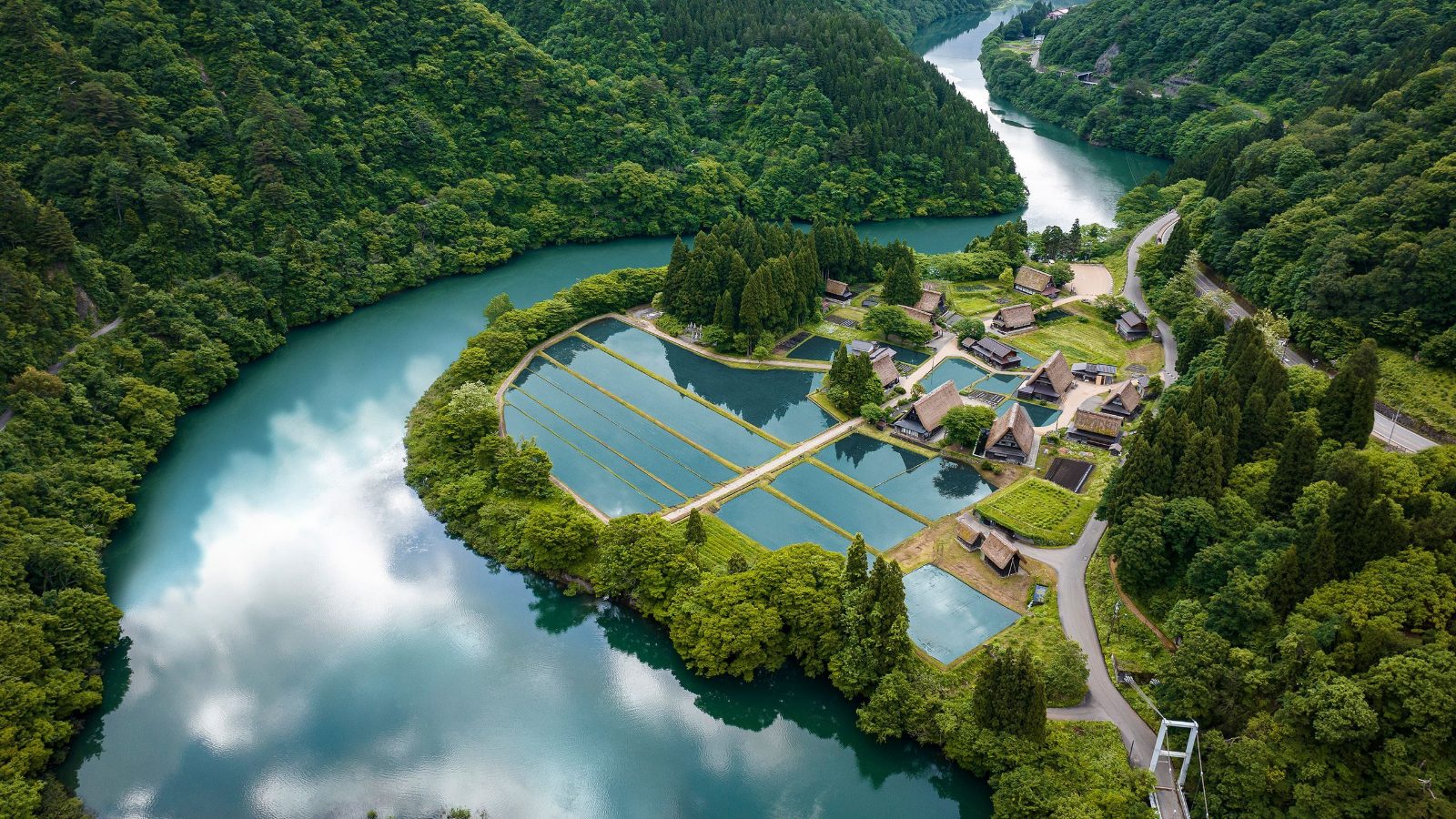
Suganuma Village
approx. 30-40 min by road
This smaller Gokayama village provides a focused look at gassho-zukuri architecture with fewer visitors. It works well as a brief stop before continuing your route.

Kanazawa sits on the Sea of Japan coast; Shirakawa-go (白川郷) lies inland, across a mountain range, in a valley that stayed snowbound and semi-isolated for centuries. This how to get to Shirakawago from Kanazawa guide explains what that crossing involves today, what waits at Ogimachi on arrival, and which season quietly decides the plan. The direct answer comes first, the context after.
Quick answer
The route runs south-east from Kanazawa across the Ryōhaku mountains to Ogimachi, the main village of Shirakawa-mura in Ono-gun, Gifu Prefecture. The village keeps the same hours every day, 08:00–17:00, and entry costs 0 JPY. Aim to arrive between 08:00 and 10:00, before midday coaches fill the lanes. Autumn foliage weekends and deep winter snow are the exceptions worth planning around.
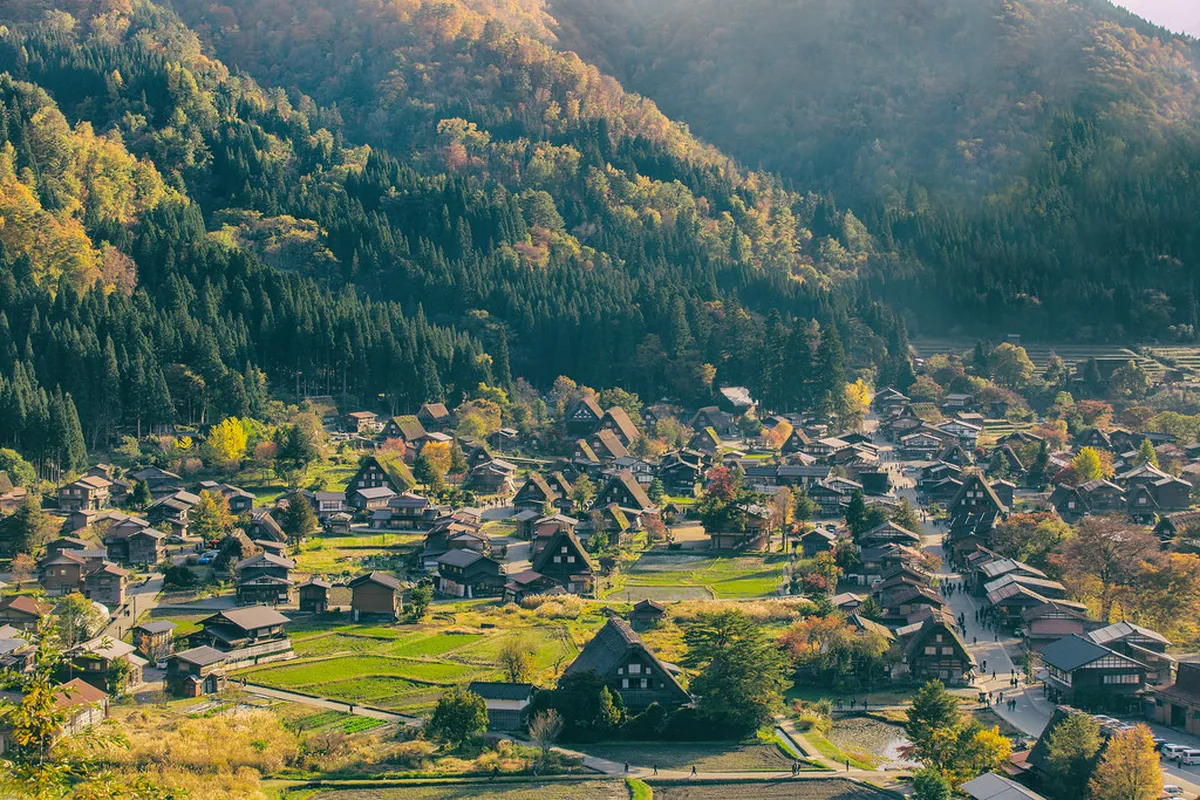
The thatched roofs of Ogimachi are re-laid by neighbours rather than contractors. Under a mutual-aid custom called yui, villagers assemble to re-thatch a single gasshō-zukuri farmhouse in a day or two, a cycle repeated every three or four decades. The steep pitch exists to shed snow, not to impress cameras. That fact frames how to get to Shirakawago from Kanazawa. The destination is a working farming settlement in Gifu Prefecture, inscribed by UNESCO in 1995, not a heritage park with a turnstile. Roughly a hundred steep-roofed houses stand among rice terraces, and people still live in most of them. Geography explains the rest. Kanazawa sits on the Sea of Japan coast in Ishikawa. Shirakawa-mura lies inland, along the Shogawa river, behind the Ryōhaku mountains. For centuries that barrier kept 白川郷 semi-isolated, served by narrow valley roads that snow closed for months at a time. The modern link is the Tōkai-Hokuriku Expressway, whose Hida Tunnel opened in 2008 and reduced a half-day expedition to a straightforward crossing of the range. Almost every Kanazawa to Shirakawa-go day trip follows that corridor, as do the coaches that continue on toward Gokayama and Takayama. Season shapes the plan more than distance does. In August the valley floor is humid and intensely green, the rice terraces stand high, and the Shiroyama viewpoint above the village is the climb most visitors make. Summer daylight lasts well past the village's closing time, which flatters the return journey. Late October and early November bring foliage and the heaviest single-day traffic of the year. Winter means deep snow, chain restrictions on the pass, and reservation-only illumination evenings allocated far in advance. Anyone weighing a Shirakawa-go tour from Kanazawa in those windows should treat seats and parking spaces, not admission, as the limiting factor. Practical planning then reduces to three decisions: which day, which departure, and how long to stay. Hours are uniform across the week, so departure time is the only real variable. A morning arrival leaves room for the Wada House, the thatched bell tower at Myōzenji, and the open-air museum across the river before the lanes fill. Nothing about the journey is difficult; the errors are almost always errors of timing. The sections below set out the timetables, fares, seasonal detail and neighbouring valleys that this how to get to Shirakawago from Kanazawa guide only frames.
“The destination is a working farming settlement, not a heritage park with a turnstile.”
Shirakawa-go is located in the Gifu Prefecture, accessible from Kanazawa primarily via direct highway bus services. This route provides the most straightforward connection for visitors traveling between the two locations.
Nohi Bus or Hokutetsu Bus from Kanazawa Station to Shirakawa-go
Hokuriku Expressway and Tokai-Hokuriku Expressway
To avoid midday peak crowds and large tour groups arriving from Kanazawa and Takayama, plan your visit for the best arrival window of 08:00–10:00.
The best arrival window is 08:00–10:00 to avoid midday peak crowds and large tour groups arriving from Kanazawa and Takayama. Planning your visit for these early hours ensures a quieter experience before the village reaches its daily capacity.
—
Early arrivals experience the village before the main bus traffic begins.
Mild; 10°C to 20°C
Cherry blossoms bloom and snow melt reveals paths and greenery.
Warm; 20°C to 30°C
Days are longer, allowing for more time to explore the historic site.
Cool; 5°C to 18°C
The fall foliage provides a distinct visual contrast to the thatched-roof houses.
Cold; -5°C to 5°C
Heavy snowfall covers the village, though transit may be affected by weather conditions.
Verdict: The concrete best slot is arriving between 08:00 and 10:00 on a weekday during April or October.
The village of Shirakawa-go is open to visitors daily throughout the week.
The village of Shirakawa-go does not charge an entrance fee for visitors accessing the main grounds. Parking fees are collected separately to support the ongoing conservation of the historical site.
Verdict: A typical adult pays 0 JPY for entry, though those arriving by private vehicle will incur parking fees to support conservation efforts.
Combining Gokayama with a visit to Shirakawa-go is feasible when traveling between Kanazawa and the Gifu region. These villages offer a quieter atmosphere that complements the primary site at Ogimachi.
approx. 30-40 min by road
This smaller Gokayama village provides a focused look at gassho-zukuri architecture with fewer visitors. It works well as a brief stop before continuing your route.
approx. 50-60 min by road
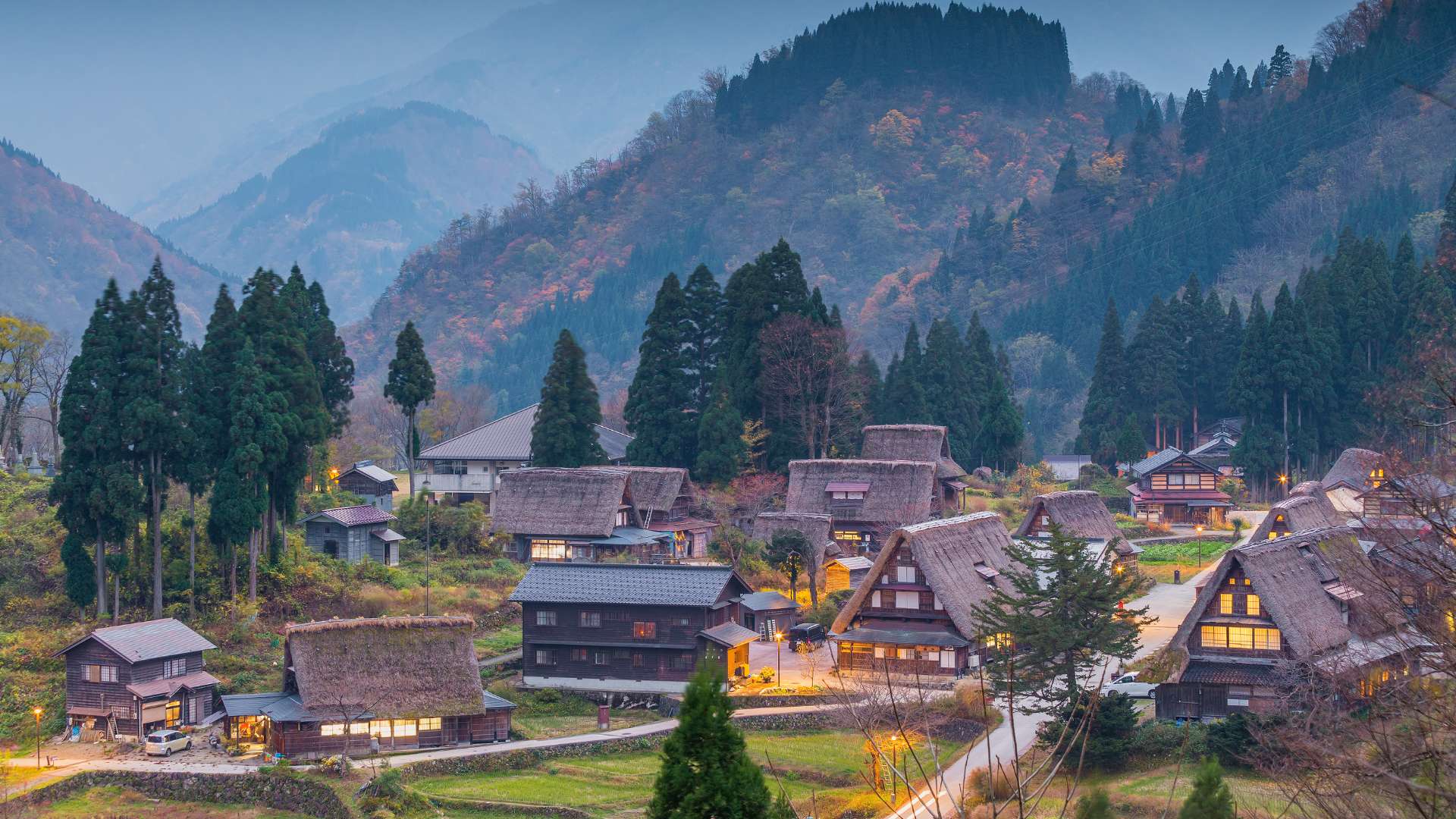
Ainokura contains the largest number of gassho-zukuri houses in Gokayama and offers a rural landscape. It is suited for those seeking a more isolated cultural experience than the main village.
15-20 min walk from village
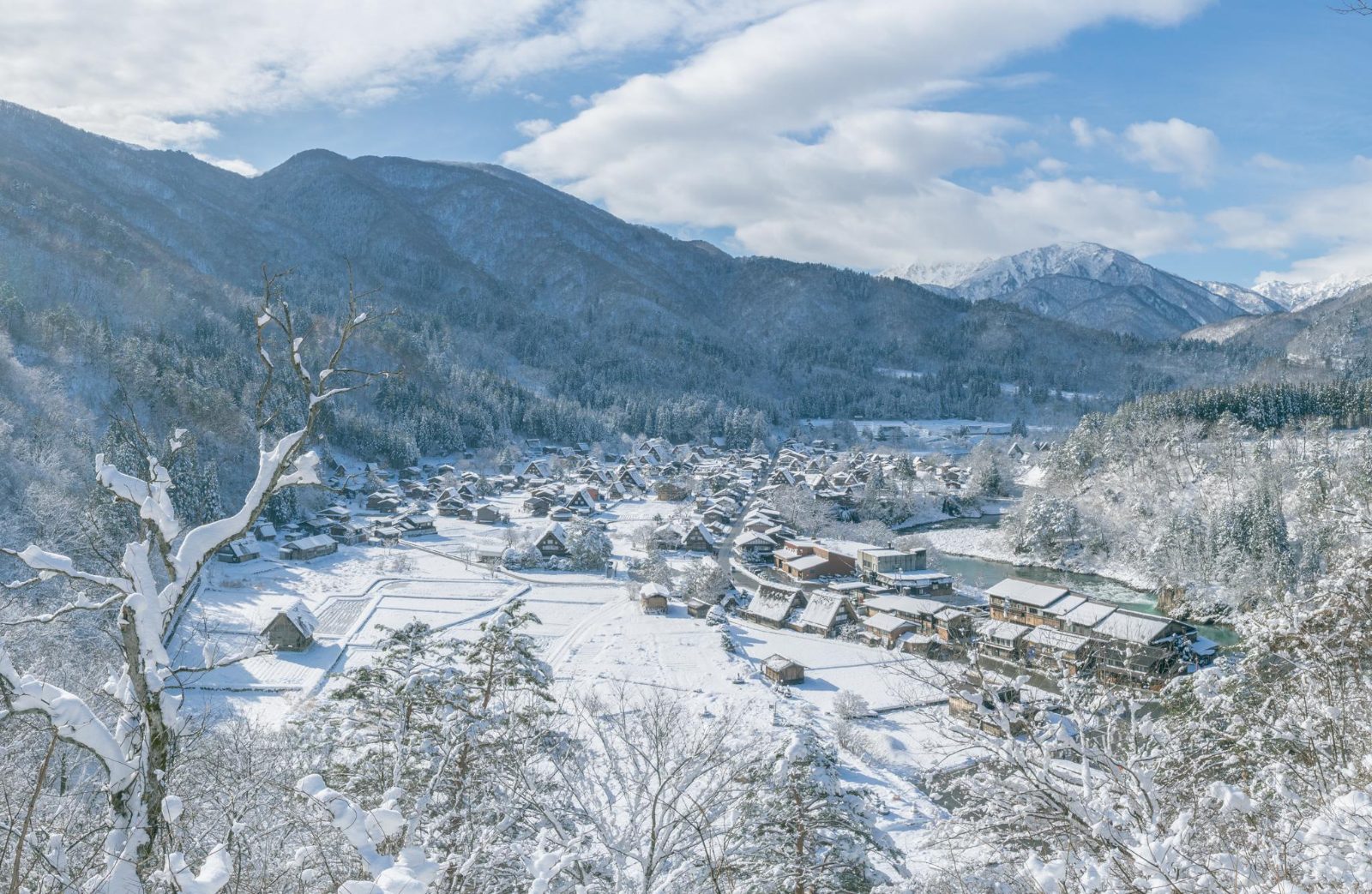
Located above the main village, this vantage point provides a clear perspective of the valley layout. It is best visited during the recommended arrival window to avoid midday crowds.
Everything you need to know about how to get to shirakawago from kanazawa
To learn how to get to shirakawago from kanazawa, you should utilize the highway bus services that depart directly from Kanazawa Station. These buses provide the most efficient transit between the two locations.
Yes, scheduled highway buses offer a convenient way to travel for those planning a Kanazawa to Shirakawa-go tour. These services operate regularly throughout the day and connect the city directly to the village bus terminal.
The best arrival window is 08:00–10:00 to avoid the midday peak crowds and large tour groups. Visiting during this time allows you to explore the Gassho-zukuri farmhouses in a quieter atmosphere.
There is an entrance fee of 0 JPY to enter the village itself. Please note that parking fees are collected separately and these funds support the local conservation efforts.
Yes, many travelers choose to visit Gokayama as it is located in the same region. You can often integrate this stop when researching how to get to shirakawago from kanazawa by checking local regional bus connections.
The most common error is failing to book bus seats in advance, especially during peak seasons. Because the village is a popular destination, understanding how to get to shirakawago from kanazawa includes securing your transport reservations early.
The village is highly walkable and pedestrian-friendly. You will find that navigating the historic streets on foot is the best way to appreciate the traditional architecture and scenic surroundings.
Kanazawa to Shirakawa-go Taxi Options
Read more GuideKanazawa to Shirakawa-go Bus Schedule
Read more Tickets & toursKanazawa to Shirakawa-go Day Trip
Read more Tickets & toursKanazawa to Shirakawa-go Bus Tours
Read more Tickets & toursKanazawa to Shirakawa-go Private Tours
Read more GuideKanazawa to Shirakawa-go Bus Tickets & Timetable
Read more