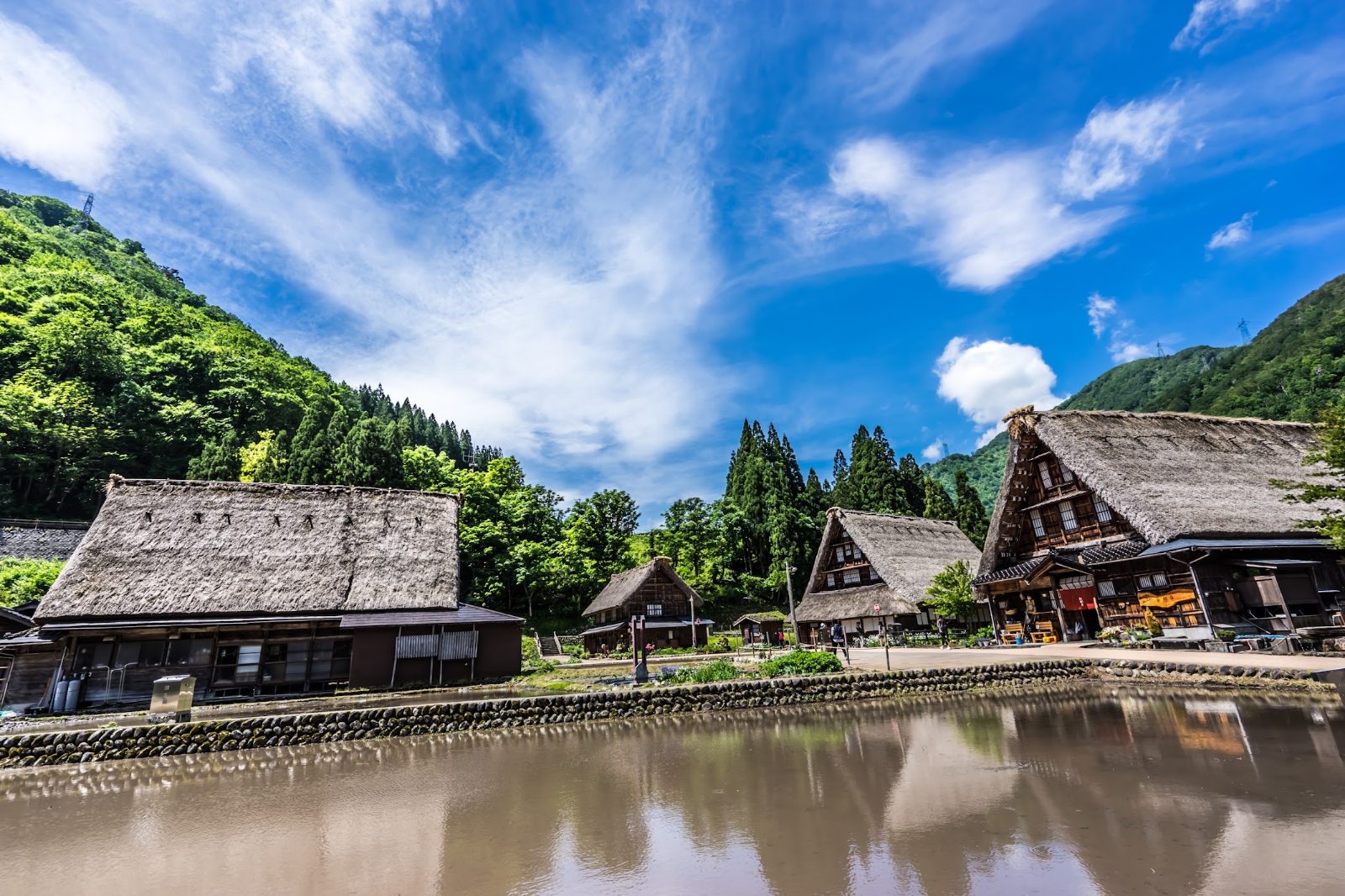
Suganuma Village
40 min drive from Shirakawa-go
This UNESCO-designated site in Gokayama offers a quieter alternative to Ogimachi, featuring preserved gassho-zukuri houses in a compact riverside setting.

Ogimachi sits roughly 70 kilometres south of Kanazawa, behind a wall of mountains that the Tokai-Hokuriku Expressway punches straight through. A private car is the least discussed way to cover that distance, and the least understood. This kanazawa to shirakawa go taxi guide sets out what the ride actually buys you, and when it stops being worth the fare.
Quick answer
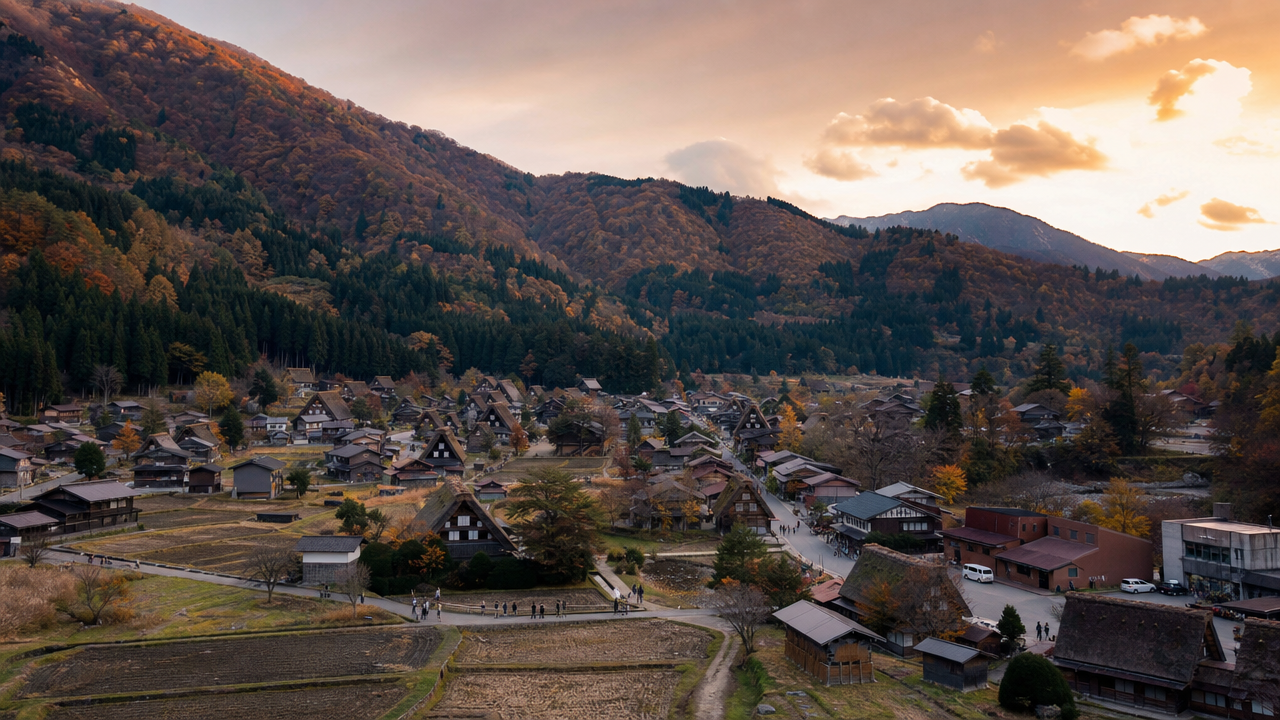
A door-to-door private car covers the roughly 70 kilometres between Kanazawa and Ogimachi in about 75 minutes via the Tokai-Hokuriku Expressway, traffic permitting. The village itself charges 0 JPY to enter, with a parking fee for motor vehicles, and opens 08:00–17:00 daily. Aim to arrive between 08:00 and 10:00, before midday crowds and parking congestion set in.
Shirakawa-go was almost lost before it was protected. In the 1960s a dam project and rural depopulation stripped Ogimachi of dozens of its gasshō-zukuri farmhouses, some dismantled and trucked away to open-air museums elsewhere in Japan. What remained was saved by a village covenant — residents agreed never to sell, rent or destroy a thatched roof — and that pact, not any government decree, is why roughly 100 steep-pitched houses still stand where they were built. UNESCO World Heritage listing followed in 1995, jointly with the Gokayama hamlets of Ainokura and Suganuma across the Toyama border. That history explains the shape of the problem a visitor faces. Ogimachi is a living settlement of a few hundred people, not a ticketed site, so the constraint is never admission — it is space. Roads are narrow, the riverside parking area is finite, and coach arrivals cluster after eleven. A kanazawa to shirakawa go taxi solves the timing problem rather than the distance one: a private car leaves when the traveller decides, holds luggage, and can be routed onward to Gokayama or Takayama instead of doubling back. Groups of three or four often find the arithmetic closer than expected once fares are split. The route runs south through the Tedori valley and into the Tokai-Hokuriku Expressway, a corridor of tunnels including the Hida Tunnel, one of the longest road tunnels in the country. Drivers know the Shirakawa-go interchange and the Shogawa river crossing that leads to the village. Once inside, the walking is short and the sequence is simple: Wada House, the Myōzenji temple with its thatched bell tower, the Shiroyama viewpoint above the valley. Winter light-up evenings and the summer green season draw different crowds entirely. What to do with all this is a scheduling decision more than a transport one. A Kanazawa private car day trip works best when the traveller wants the early window and the flexibility to linger; scheduled coaches remain the cheaper answer for solo visitors on a fixed loop. Anyone weighing a kanazawa to shirakawa go taxi against the bus should decide first what time they intend to stand in Ogimachi, then work backwards. Village hours, fees and onward stops are set out in the sections below.
“The village charges nothing to enter — the currency in Ogimachi is arrival time.”
Shirakawa-go is located in the mountainous region of Gifu Prefecture. Private taxi services and organized transfers provide the most direct access from Kanazawa, bypassing the need for station transfers required by public transport.
Direct transfer via Hokuriku Expressway and E41
Nohi Bus or Hokutetsu Bus from Kanazawa Station to Shirakawa-go
Arrive between 08:00–10:00 to avoid heavy midday tourist crowds and parking congestion.
The best arrival window for your trip from Kanazawa to Shirakawa-go is 08:00–10:00. Arriving during this time helps you avoid heavy midday tourist crowds and parking congestion.
Cold; snowy, average 0°C to 5°C.
These months experience heavy snowfall and popular evening illumination events. Plan to arrive early to ensure ease of movement through the village.
Mild; pleasant, average 15°C to 22°C.
Spring offers clear paths and lush greenery before the summer heat. Early arrival ensures you explore the site before the midday tour bus surge.
Hot and humid, average 25°C to 30°C.
Summer days are long but bring the largest visitor numbers. A taxi arrival before 10:00 is essential to manage the midday heat and traffic.
Cool; crisp, average 10°C to 18°C.
Autumn colors draw many visitors to the region. Arriving at 08:00 allows for quiet observation of the traditional farmhouses before peak crowds arrive.
Verdict: For the most efficient visit, aim for a weekday arrival between 08:00–10:00 during the shoulder months of May or October.
Shirakawa-go is open to visitors daily throughout the week. Please refer to the following schedule to plan your arrival.
Access to the Shirakawa-go village is open to the public without a village-wide entry charge. Visitors should note that while the village itself is free to enter, specific parking fees apply for motor vehicles.
Verdict: A typical adult pays 0 JPY for entry, though travelers arriving by car or taxi will encounter parking fees at the designated lots.
When traveling between Kanazawa and Shirakawa-go by private taxi, you can easily incorporate additional stops to enrich your itinerary. These locations provide a deeper look into the traditional mountain architecture and craft culture of the region.
40 min drive from Shirakawa-go
This UNESCO-designated site in Gokayama offers a quieter alternative to Ogimachi, featuring preserved gassho-zukuri houses in a compact riverside setting.
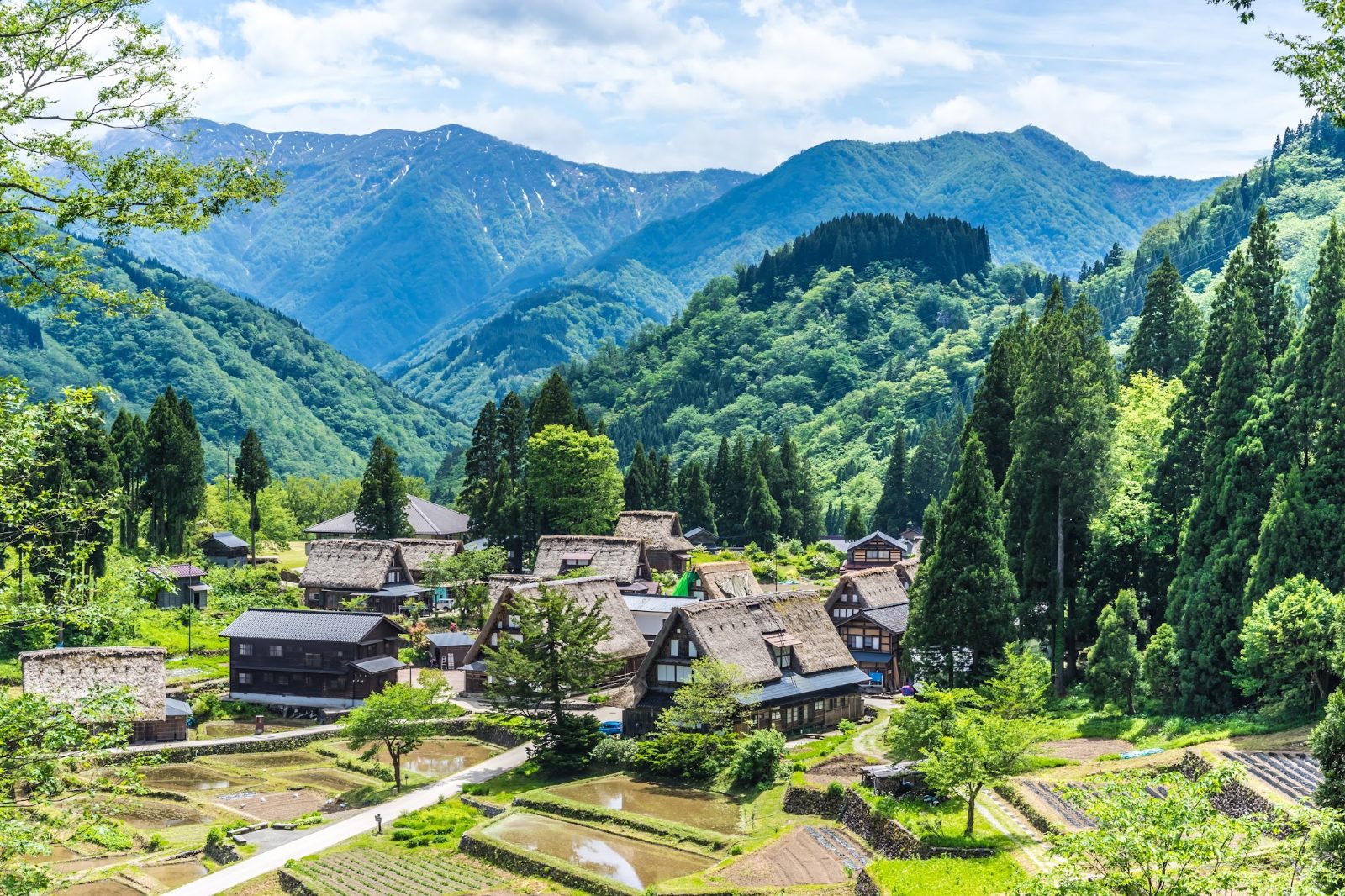
50 min drive from Shirakawa-go
As one of the most secluded Gokayama villages, Ainokura provides a serene atmosphere and historical perspective on regional mountain life.
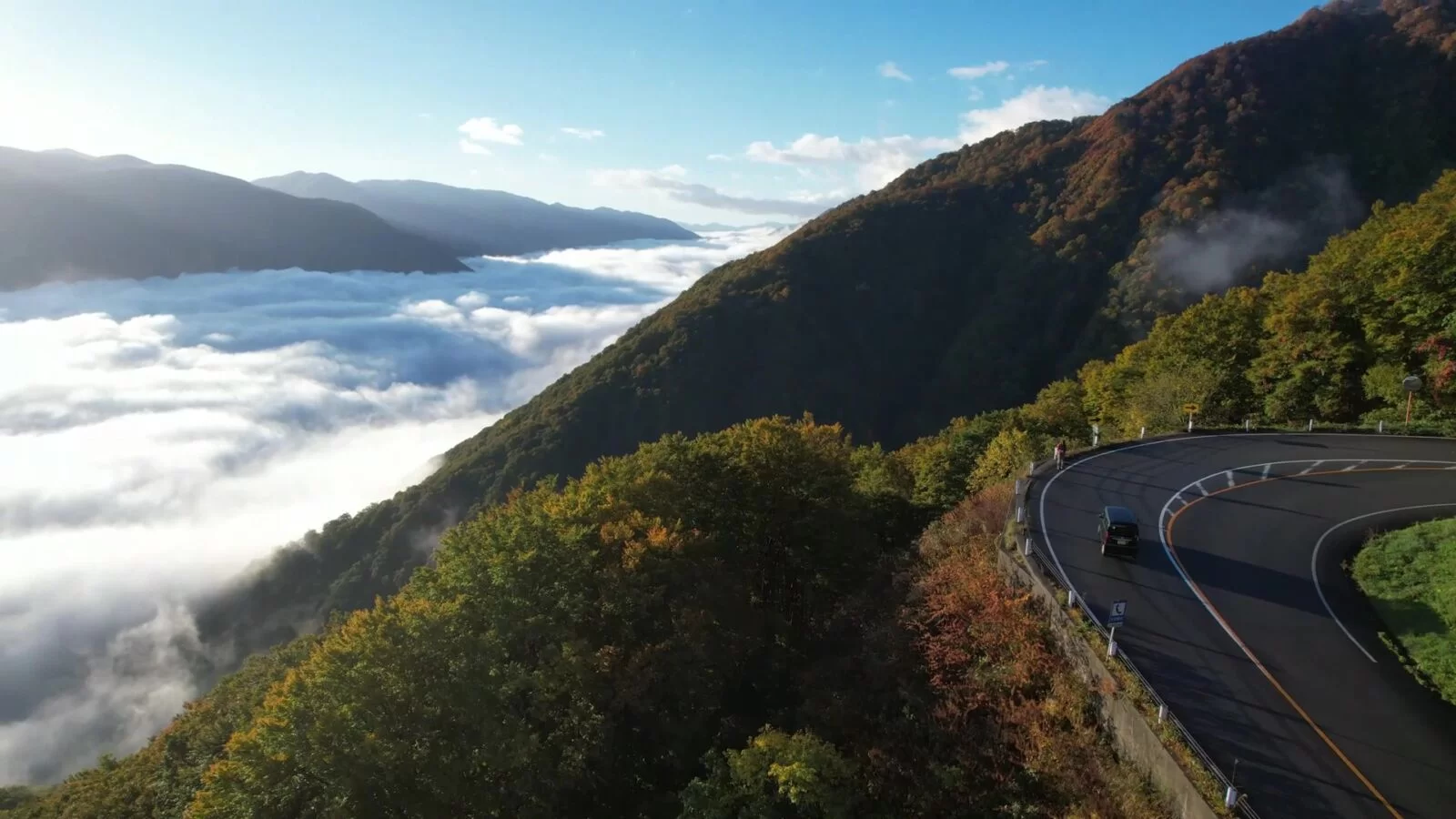
20 min drive from Shirakawa-go
This scenic mountain route connects Gifu and Ishikawa prefectures, allowing for sightseeing stops at waterfalls and viewpoints during the drive.
Everything you need to know about kanazawa to shirakawa go taxi
Using a kanazawa to shirakawa go taxi offers direct, door-to-door service that avoids the complexities of public bus schedules. This flexibility is ideal for travelers who prefer private transport over group tours when visiting UNESCO World Heritage sites.
A direct private vehicle journey typically takes around 75 to 90 minutes depending on road conditions. This duration is significantly faster than regional bus transit, allowing for more time exploring the gassho-zukuri farmhouses.
For the most comfortable experience, plan your arrival between 08:00–10:00. This window helps you avoid heavy midday tourist crowds and potential parking congestion in the village area.
There is 0 JPY entrance fee to enter the village itself. Please note that parking fees apply if you are arriving by motor vehicle, which your driver will manage.
Many travelers choose to customize their itinerary by adding a stop in Gokayama to see the smaller, preserved mountain settlements. Discuss your preferred route with your operator to ensure your private tour remains within your timeframe.
Ensure you confirm the pick-up location in Kanazawa and your expected arrival time at the village in advance. Clear communication helps avoid delays and ensures a seamless experience when visiting these Gifu landmarks.
The village is open daily from 08:00–17:00. These hours apply to the general site access, though individual museum or house interiors may have slightly different operating schedules.
How to get to Shirakawa-go from Kanazawa
Read more GuideKanazawa to Shirakawa-go Bus Schedule
Read more Tickets & toursKanazawa to Shirakawa-go Day Trip
Read more Tickets & toursKanazawa to Shirakawa-go Bus Tours
Read more Tickets & toursKanazawa to Shirakawa-go Private Tours
Read more GuideKanazawa to Shirakawa-go Bus Tickets & Timetable
Read more