
5 hr
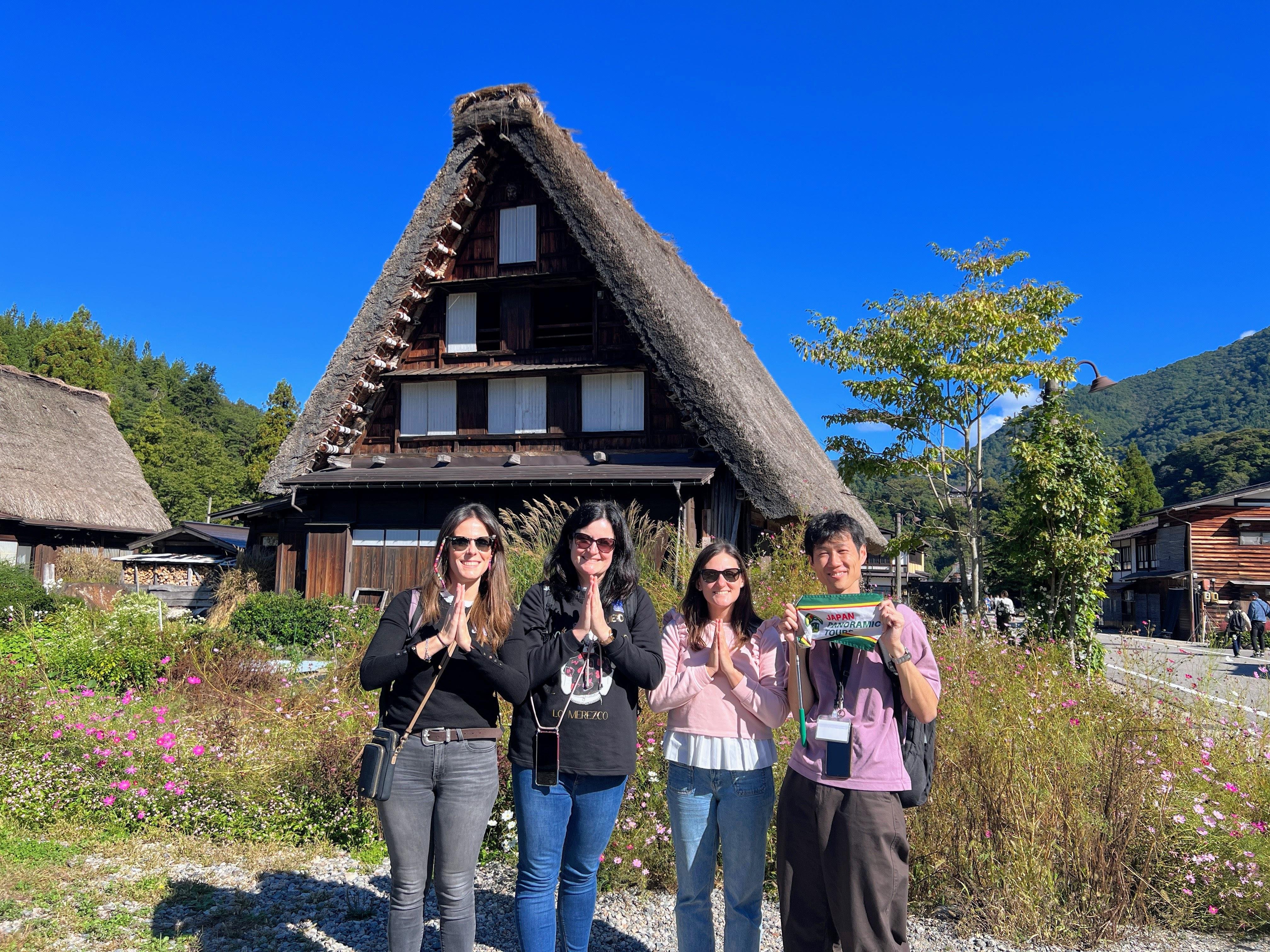
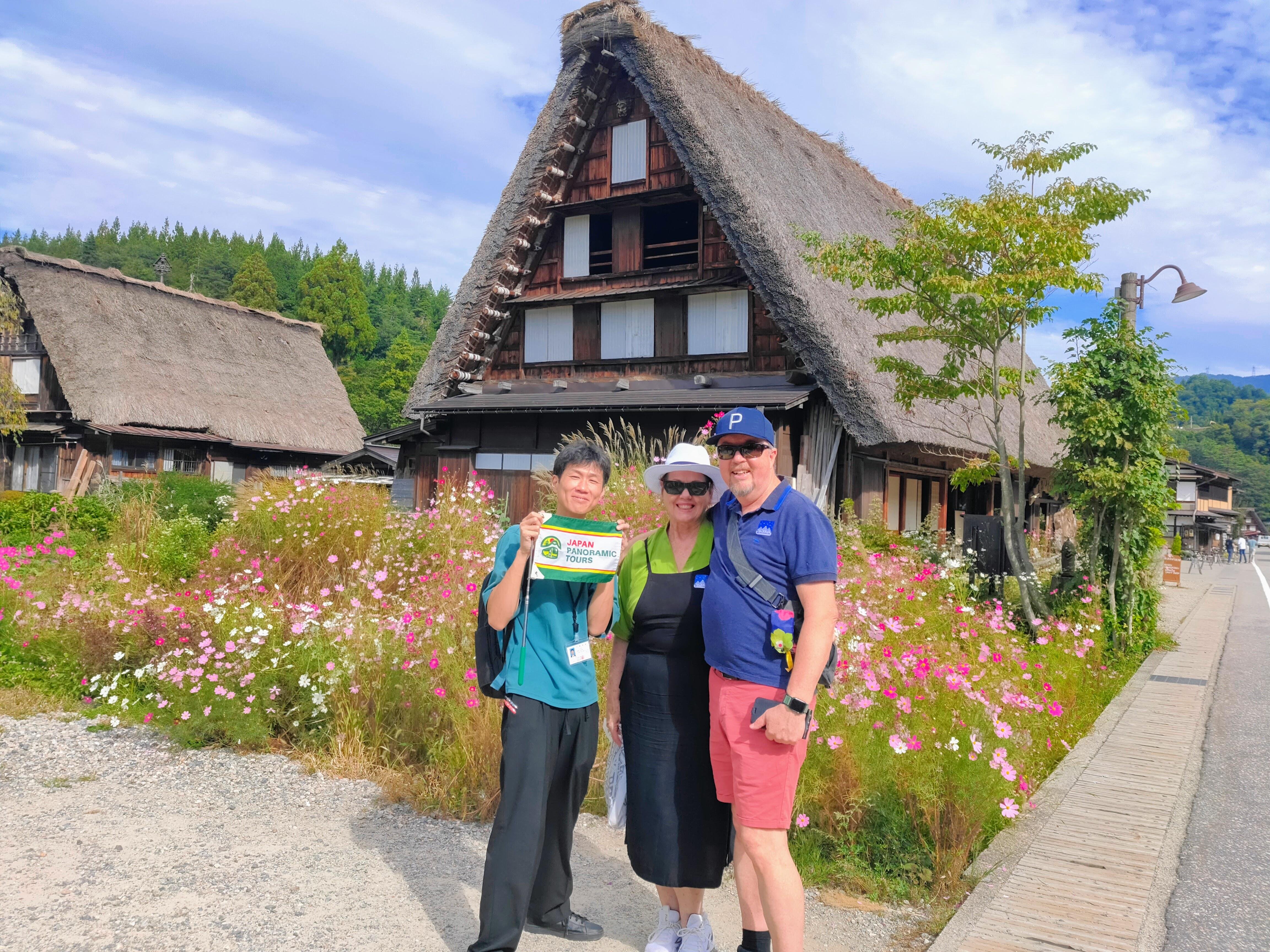
Shirakawa-go UNESCO Village Morning Tour from Kanazawa
Half-day guided excursion to a traditional gassho-zukuri village with scenic landscapes and local cuisine
Reserve
Hand-picked by our editors — only the best 5 coach departures from 40 reviewed.
Verified partners for every tour, free cancellation where available, and instant confirmation on every booking.
5 hr
Half-day guided excursion to a traditional gassho-zukuri village with scenic landscapes and local cuisine
Reserve
9 hr
Discover a UNESCO heritage village, craft traditional sweets, and explore historic gardens on this immersive full-day adventure
Reserve
11 hr
Discover three beautifully preserved Edo-era towns and a UNESCO World Heritage village on this guided excursion
ReservePrices from verified partners. Availability updates in real time at checkout. Free cancellation policies apply where shown.
The landmarks, rooms, and views travelers on this tour remember — all visible on a single visit.
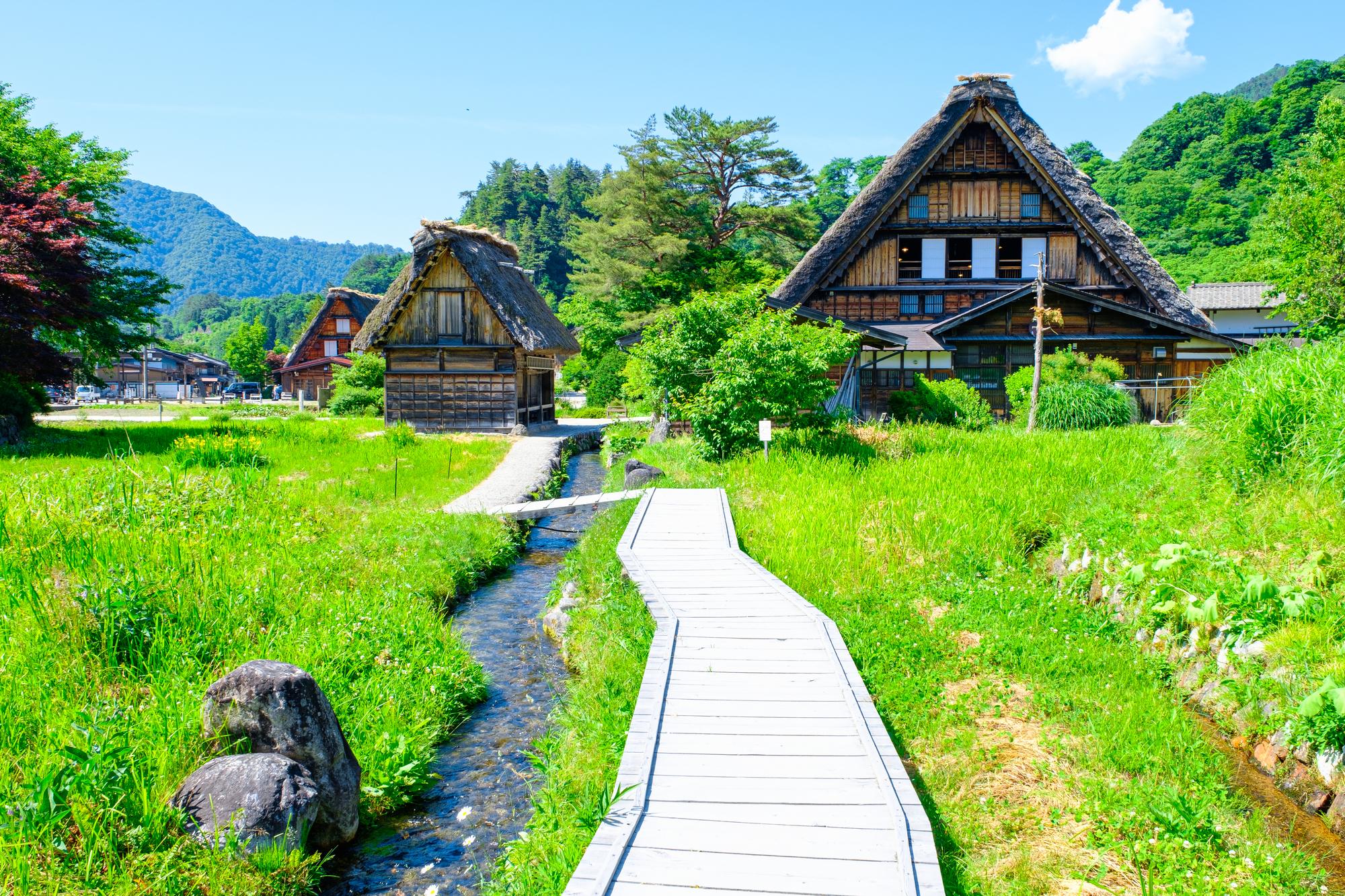
This preserved farmhouse is the largest in the village and dates back to the Edo period. Visitors can explore the multi-story structure to see how silk was historically produced in the attic space.
Shirakawa-go is the superior choice for those seeking comprehensive amenities and infrastructure, while Gokayama offers a more intimate look at traditional gassho-zukuri architecture. Most travelers finding the right kanazawa to shirakawago bus tour find that combining both destinations provides the most complete cultural overview.
| Feature | Top pick Shirakawa-go | Gokayama |
|---|---|---|
Village Size |
Large and expansive | Small and compact |
Commercialization Level |
High with many shops | Low with minimal stalls |
Ease of Access |
Direct highway connectivity | Requires secondary local transport |
Tourist Crowd Density |
Very high influx | Low and manageable |
Authentic Quietness |
Limited during peak hours | High throughout the day |
UNESCO Heritage Status |
Registered village | Registered village |
| See tickets → |
Verdict: If you prioritize logistical ease and variety for your kanazawa to shirakawago bus tour tickets, select Shirakawa-go; choose Gokayama for a quiet, historical atmosphere when booking your next kanazawa to shirakawago bus tour tours.
Choose your ticket, select your date, and reserve in under two minutes. Secure checkout handled by our verified partner.
Instant confirmation by email, with a mobile voucher you can save offline. No printing, no queuing at a collection desk.
Arrive at the entrance, show your voucher on your phone, and walk in. Most tickets include priority or skip-the-line access.
Practical details for your visit straight from our verified partners — hours, access, rules, and how to get there.
Kanazawa Station West Exit Bus Terminal
Main hub for kanazawa to shirakawago bus tour departures
Use the Nohi Bus line which connects Kanazawa directly to the village. A kanazawa to shirakawago bus tour is the most convenient way to navigate this route.
Access via the Tokai-Hokuriku Expressway and Shirakawa-go Interchange. Parking is located at the Seseragi Park visitor area.
Wear comfortable walking shoes suitable for gravel paths and uneven terrain in the Shirakawa-go village. Layered clothing is recommended for those on a kanazawa to shirakawago bus tour due to mountain temperature fluctuations.
Lockers are available at the bus terminal if you need to store items during your kanazawa to shirakawago bus tour. Keep personal belongings with you at all times while exploring the heritage site.
Photography is permitted in outdoor areas, but respect private property by not entering non-public residential zones. Do not use drones at this UNESCO heritage landmark.
The main village roads are paved but involve inclines and gravel sections. Visitors with mobility issues should note that some traditional farmhouse interiors are not wheelchair accessible.
Mobile phone use is allowed, though cellular coverage can be inconsistent in remote mountain valleys. Ensure your kanazawa to shirakawago bus tour itinerary is downloaded for offline access.
The village is suitable for families, though strollers may be difficult on loose gravel paths. A kanazawa to shirakawago bus tour typically provides enough time for children to explore the open spaces safely.
Numerous local cafes offer Hida beef and handmade soba noodles. Avoid eating while walking to keep the historic village clean.
Pets must be kept on a leash at all times while within the village limits. Do not allow pets inside the historic gassho-zukuri farmhouses.
As of 2026, the village maintains strict fire prevention protocols. Please adhere to all posted signage throughout your kanazawa to shirakawago bus tour.
Kanazawa Station West Exit Bus Terminal
Main hub for kanazawa to shirakawago bus tour departures
Get directionsBest time to go, insider tips, nearby landmarks, and the cancellation fine print — flip through to skim what matters to you.
How crowds, weather, and events shift across the year.
April to May offers pleasant temperatures and blooming flowers, ideal for those booking kanazawa to shirakawago bus tour tickets.
June to August features lush greenery and vibrant village scenery, though visitors should expect warmer daytime temperatures.
September to November showcases the changing autumn foliage, a popular time for a kanazawa to shirakawago bus tour tour.
December to February provides the iconic snow-covered landscape, requiring heavy winter gear for all travelers.
Small details that turn a good visit into a great one.
Reach the village between 08:00 and 10:00 to avoid the peak influx of tour buses and day-trippers. This ensures better photography conditions for your kanazawa to shirakawago bus tour.
Wear shoes with good grip, as the village has unpaved dirt roads and steep trails. Comfort is key for those on a kanazawa to shirakawago bus tour tours.
Many small shops and shrines only accept cash. Carry enough Japanese Yen to pay for individual museum entrance fees and snacks.
Take the shuttle bus up to the Shiroyama Viewpoint to save energy. It provides a quick way to see the village from above before continuing your kanazawa to shirakawago bus tour.
Stay on public paths and avoid peeking into local houses. The village is an active residential area, not just a museum.
Non-bookable sights within a short walk — free to visit, easy to pair.
Offers panoramic views of the entire valley and the traditional gassho-style roofs. It is a steep walk but essential for any kanazawa to shirakawago bus tour traveler.
Flexible, no hidden fees.
Specific terms depend on your chosen kanazawa to shirakawago bus tour operator. Refer to your booking confirmation for the exact refund window.
Hand-picked options within walking distance — pick a district for vibe, or a specific hotel for convenience.
A traditional inn with natural hot spring baths located within the village limits.
The steepest gassho-zukuri roofs in Ogimachi are pitched at nearly sixty degrees, an angle calculated not for beauty but for snow that can pile two metres deep by February. The word gassho means hands joined in prayer. The form is functional. Beams are lashed with straw rope rather than nailed, so the frame flexes under load instead of splitting, and a well-maintained roof of susuki thatch lasts thirty to forty years before the village re-thatches it in a single collective day. Shirakawa-go sat outside the ordinary current of Japanese history for centuries. The Shokawa river valley was hemmed by mountains, unreachable by road for much of the year, and the households that survived there grew large by necessity — extended families of twenty or thirty under one roof, working the attic floors as silkworm lofts and producing saltpetre for gunpowder beneath the floorboards. Isolation shaped the architecture as surely as snowfall did. When the Miboro Dam flooded part of the valley in the 1960s, dozens of farmhouses were dismantled or lost, and a preservation movement formed around the phrase uranai, kasanai, kowasanai — do not sell, do not rent, do not destroy. UNESCO inscribed Shirakawa-go and the Gokayama hamlets of Ainokura and Suganuma as a World Heritage Site in 1995. That listing, alongside the Tokai-Hokuriku Expressway opened through the mountains in 2008, is why a kanazawa to shirakawago bus tour is now a straightforward morning's drive rather than an expedition. The coach corridor that carries most visitors traces the same river the valley was named for, threading tunnels beneath ridges that once made the village unreachable. Roughly 1,500 people still live in Shirakawa-mura, and Ogimachi remains a working settlement rather than a museum campus — rice paddies between the houses, laundry on the lines, a village office with a phone that answers. Entry to the village itself costs 0 JPY; the toll is charged instead on parking and on the individual houses that open their interiors, among them the three-storey Wada House and the Kanda House. Kanazawa Shirakawa-go day trips reach the Shiroyama viewpoint above the settlement, where the roofs read as a single grain running with the valley. The Gokayama hamlets over the Toyama border are smaller and quieter, and travellers weighing kanazawa to shirakawago bus tour tickets often find the two clusters described as one heritage landscape. They are. Both preserve a building tradition that survives only because its keepers refused to let it go.
"Do not sell, do not rent, do not destroy."
A step-by-step walkthrough of the visit — what you'll see, how long each stage takes, and the details that matter.
You board in central Kanazawa in the early morning and the coach turns inland almost immediately, climbing the Tokai-Hokuriku Expressway through a sequence of tunnels bored under the Ryohaku range. The ride runs a little over an hour. You watch the paddies drop away and the cedar close in. At the Ogimachi car park you step down into the valley and cross the Deai footbridge over the Shokawa, a suspension span that sways under the weight of the crowd ahead of you. The village opens on the far side. You walk the main lane past the Wada House, pay the individual house fee if you want to climb into the silkworm loft, and stand under a roof frame lashed with rope rather than nails. Entry to the village itself is free. You climb the shuttle road or the footpath to the Shiroyama viewpoint, ten minutes uphill, and the thatched roofs arrange themselves below in one continuous line. Come back down. Take the loop past the paddies, where the roofs of the working houses steam faintly after rain. A kanazawa to shirakawago bus tour returns you to the coach at a fixed hour, and some departures continue east to Takayama instead of doubling back. You reboard with the valley narrowing behind you.
The village is open daily from 08:00–17:00. These hours apply throughout the week including weekends.
Yes, entry to the village is 0 JPY, though paid parking and individual museum fees apply for your kanazawa to shirakawago bus tour.
We recommend a best arrival window of 08:00–10:00 to avoid the peak influx of tour buses and day-trippers.
Yes, there are public restrooms located near the main bus terminal and parking areas.
Yes, you can secure your kanazawa to shirakawago bus tour tickets through various online travel operators ahead of your trip.
Many paths are gravel, making travel challenging; some farmhouses have steep stairs that are not wheelchair accessible.
Yes, lockers are available at the main bus terminal to hold bags during your kanazawa to shirakawago bus tour.
Photography is allowed in public spaces, but do not enter private homes or restricted areas.
Most visitors find 3–4 hours sufficient to explore the highlights of the village on a kanazawa to shirakawago bus tour.
Yes, there are local cafes and shops serving traditional meals like Hida beef and soba noodles.