
5 hr
Shirakawa-go UNESCO Village Morning Tour from Kanazawa
Journey to a UNESCO-listed mountain village known for its traditional thatched-roof houses and scenic beauty
Reserve
Hand-picked by our editors — only the best 5 experiences from 40 reviewed.
Verified partners for every tour, free cancellation where available, and instant confirmation on every booking.
5 hr
Journey to a UNESCO-listed mountain village known for its traditional thatched-roof houses and scenic beauty
Reserve
9 hr
Discover a UNESCO heritage village, craft traditional sweets, and explore historic gardens on this guided adventure
Reserve
24 hr
Discover UNESCO heritage villages, craft traditional paper, and explore centuries-old temple art
ReservePrices from verified partners. Availability updates in real time at checkout. Free cancellation policies apply where shown.
The landmarks, rooms, and views travelers on this tour remember — all visible on a single visit.
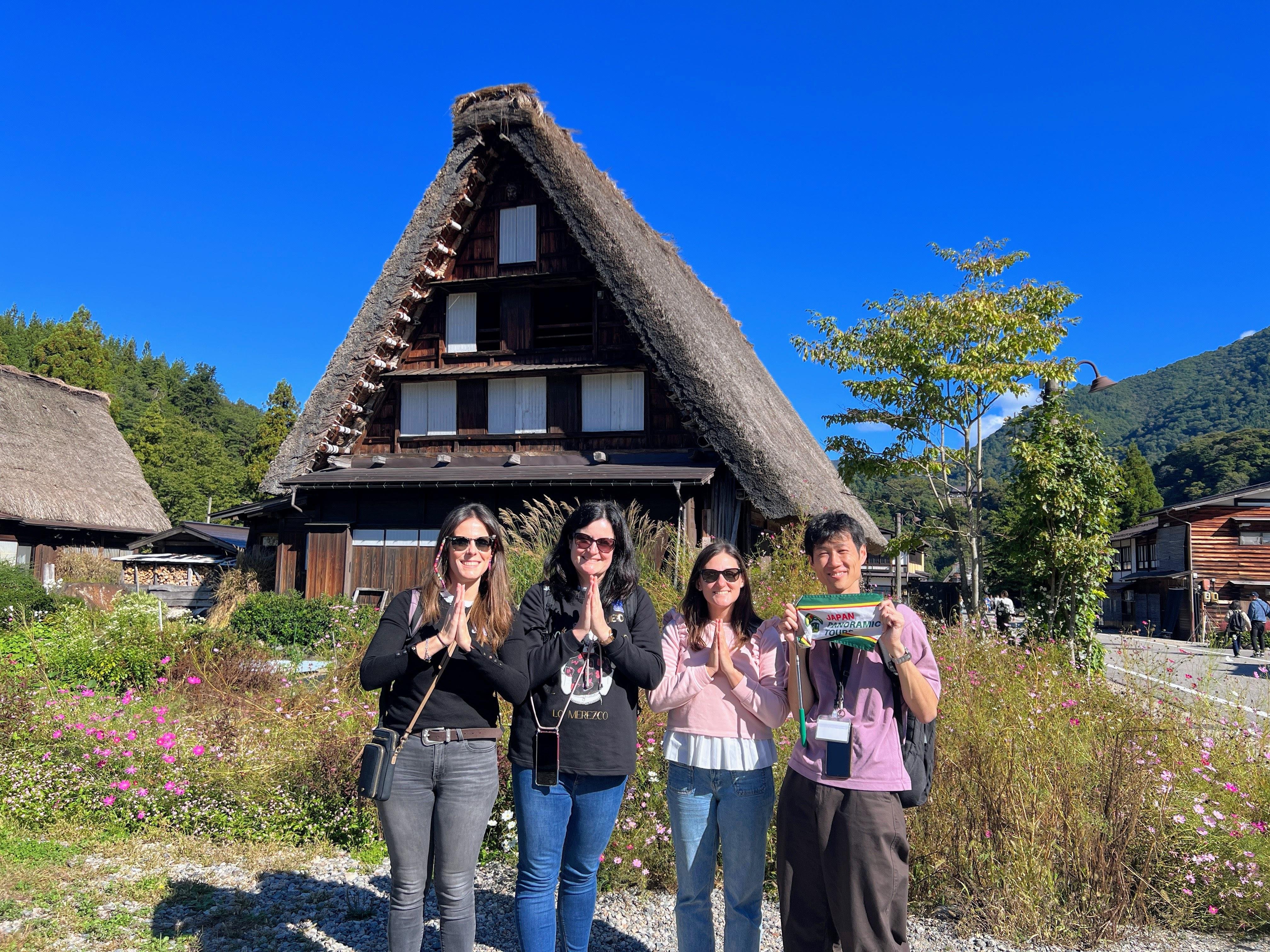
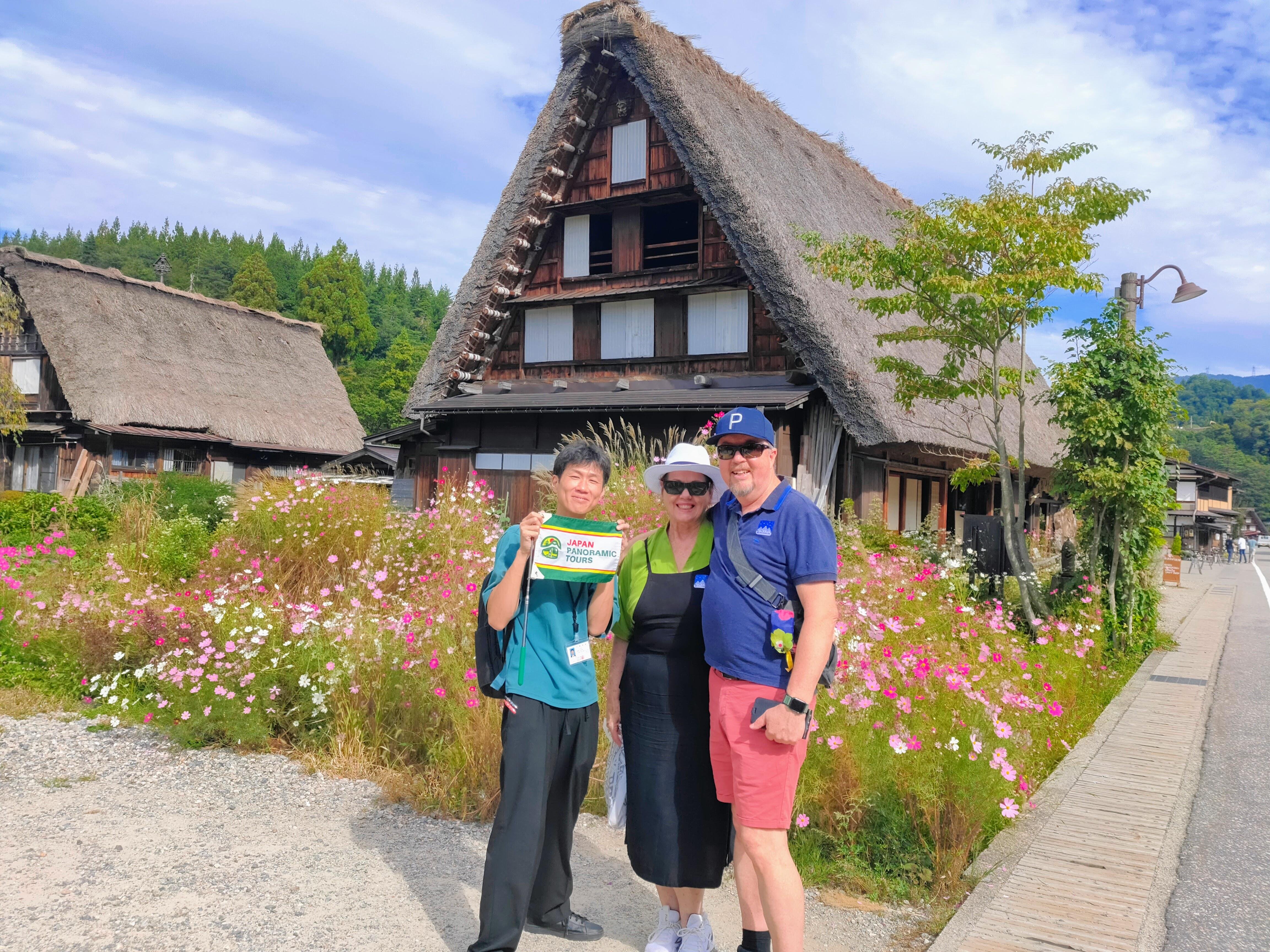
The largest and oldest gassho-zukuri house in the village, serving as a registered National Important Cultural Property.
Shirakawa-go offers a comprehensive UNESCO world heritage experience with extensive facilities, while Gokayama provides a more secluded and authentic rural atmosphere. Travelers seeking a well-serviced kanazawa to shirakawa go day trip tour often prefer the former for its convenience and accessibility.
| Feature | Top pick Shirakawa-go | Gokayama |
|---|---|---|
Crowd Density |
High peak bus traffic | Low quiet atmosphere |
Village Scale |
Large multiple neighborhoods | Small compact hamlets |
Accessibility from Kanazawa |
Direct highway bus access | Requires transfer or rental |
Traditional Atmosphere |
Preserved but tourist-focused | Authentic rustic quiet |
Commercialization Level |
High shops and cafes | Minimal local services |
Kanazawa to shirakawa go day trip tickets |
Widely available | Limited availability |
| See tickets → |
Verdict: Select Shirakawa-go for comprehensive amenities and iconic vistas, or choose Gokayama if you prefer a peaceful, off-the-beaten-path excursion on your next kanazawa to shirakawa go day trip tours.
Choose your ticket, select your date, and reserve in under two minutes. Secure checkout handled by our verified partner.
Instant confirmation by email, with a mobile voucher you can save offline. No printing, no queuing at a collection desk.
Arrive at the entrance, show your voucher on your phone, and walk in. Most tickets include priority or skip-the-line access.
Practical details for your visit straight from our verified partners — hours, access, rules, and how to get there.
Dress in layers suitable for mountain weather and wear comfortable walking shoes. In summer, bring sun protection as many areas lack shade.
There are no public trash cans in the village; visitors are expected to carry their own trash out. Use coin lockers at the bus terminal for large bags.
Photography is encouraged, but please respect the privacy of residents. Avoid entering private properties or taking photos through windows of inhabited homes.
The lower village lanes are generally flat but surfaced with gravel or dirt, which can be challenging for wheelchairs. The hike to the observatory is steep and involves a significant incline.
The area is family-friendly, but strollers can be difficult to maneuver on uneven village paths. Children will enjoy the open-air museum and local snacks.
Numerous local restaurants serve soba, udon, and Hida beef. Return your food containers to the shop where they were purchased, as there are no public bins.
Best time to go, insider tips, nearby landmarks, and the cancellation fine print — flip through to skim what matters to you.
Flexible, no hidden fees.
Entry to the village is free, but parking and specific tours may have separate policies. For guided activities, cancellation fees apply if canceled within 24 hours of the scheduled time.
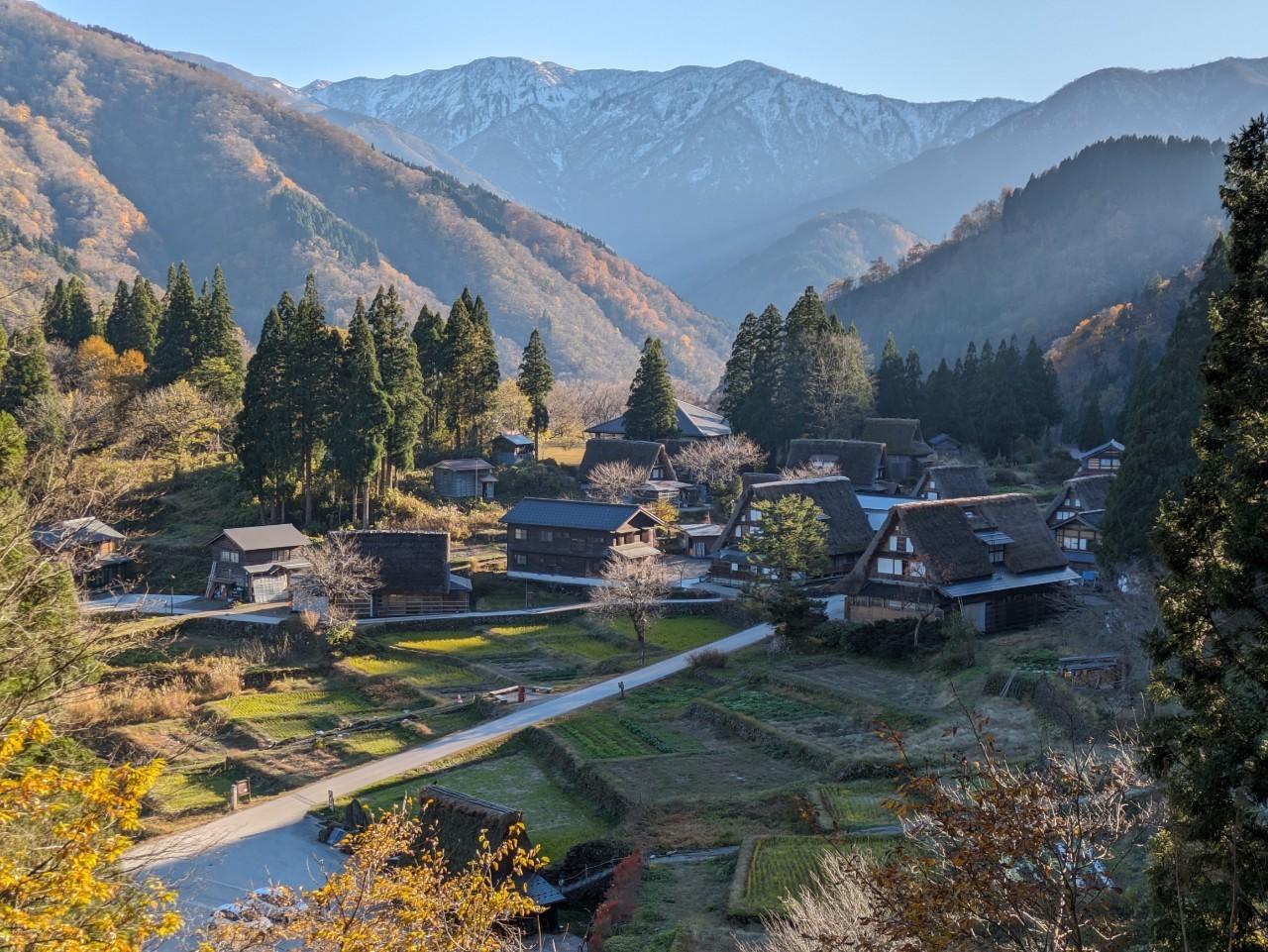
The steepest gassho-zukuri roofs in Ogimachi pitch at roughly sixty degrees — an angle calculated not for beauty but for snow, which buries this valley to depths of two metres most winters. The name means "hands joined in prayer." The engineering is plainer than the poetry suggests. Steep thatch sheds load. Load, in the Shogawa river valley, is the enemy. Ogimachi is the largest surviving settlement of its kind, and it sits at 1086 Ogimachi, Shirakawa-mura, Ono-gun, Gifu. Roughly 110 gassho houses remain across Shirakawa-go and the smaller Gokayama hamlets of Ainokura and Suganuma. UNESCO inscribed all three together in 1995. The listing recognised something unusual: not a monument, but a working agricultural landscape still inhabited by the families who maintain it. A modern kanazawa to shirakawa go day trip enters a village, not a museum campus. The houses were built without nails. Ropes of straw and hazel bind the beams. Upper floors — sometimes three, sometimes four — once housed silkworm cultivation, the cash crop that sustained households through months of isolation. Beneath the floorboards, villagers processed saltpetre for gunpowder, a trade conducted in valleys the central authorities rarely reached. Thatch is replaced roughly every thirty to forty years, a task requiring several hundred hands and the mutual-aid system called yui, which still functions. What survives here survived by accident and then by decision. Dam construction in the 1950s and 1960s flooded neighbouring hamlets; some houses were relocated, many were lost. Residents responded with a charter forbidding the sale, rental or demolition of village property. That charter is why Shirakawa-go tours from Kanazawa still arrive at a functioning settlement rather than a reconstruction. Entry to the village itself costs 0 JPY, though individual museum houses charge separately and vehicles pay to park. The Wada House, the largest of the surviving structures, remains the clearest illustration of the interior logic: irori hearth below, smoke rising through open floors, soot preserving the timber above. The smoke is the preservative. Nothing here is decorative by intention. Gokayama, quieter and less trafficked, holds the same architecture at smaller scale, and kanazawa to shirakawa go day trip tickets increasingly bundle both. The Toyama side keeps its washi papermaking and its kokiriko folk songs — older, thinner threads of the same mountain culture.
"The houses were built without nails; ropes of straw and hazel bind the beams."
A step-by-step walkthrough of the visit — what you'll see, how long each stage takes, and the details that matter.
You leave Kanazawa in the morning and watch the Hokuriku plain narrow into the Shogawa gorge. The expressway threads a sequence of tunnels; between them, forested ridges close in. Roughly ninety minutes later you step out at Ogimachi, where the village opens at 08:00 and the air smells of cut grass and woodsmoke. You start at the Shiroyama viewpoint, reached by shuttle or a ten-minute climb, and the whole settlement resolves below you — thatched ridgelines set among paddies, the river beyond. You come back down. You cross the suspension bridge over the Shogawa, which sways under foot traffic. You pay the separate admission at Wada House and climb a ladder-stair into the silkworm loft, where the roof timbers show black with a century of hearth smoke. You walk the lanes without a map — the village is small enough that you cannot lose it. On a kanazawa to shirakawa go day trip you have perhaps two to three hours here before the coach reassembles, and the site closes at 17:00. Some itineraries continue to Gokayama or run onward to Takayama; a Shirakawa-go tour from Kanazawa may also loop back through the city's own districts. You board, and the roofs recede behind the trees.
Shirakawa-go is open daily from 08:00–17:00. This is the optimal time for a kanazawa to shirakawa go day trip.
Yes, Shirakawa-go is family-friendly, though paths can be uneven for strollers. A kanazawa to shirakawa go day trip is a popular choice for all ages.
For the best experience, arrive between 08:00–09:30 to beat tour buses. This timing is essential for a smooth kanazawa to shirakawa go day trip.
Entry to the village is 0 JPY. Parking fees apply for cars, and individual museums may charge separate admission during your kanazawa to shirakawa go day trip.
It is highly recommended to book bus tickets in advance for your kanazawa to shirakawa go day trip as seats sell out quickly during peak seasons.
Yes, photography is permitted in public areas. Please respect resident privacy during your kanazawa to shirakawa go day trip by not photographing home interiors.
There are many local food shops, but remember to take your trash with you, as there are no public bins during your kanazawa to shirakawa go day trip.
The village is generally manageable, but some areas have steep inclines or gravel paths that may impact those with limited mobility on their kanazawa to shirakawa go day trip.
Yes, you can combine these. Many travelers add Gokayama for a quieter experience when planning their kanazawa to shirakawa go day trip itinerary.