5 hr
Shirakawa-go UNESCO Village Morning Tour from Kanazawa
Half-day guided excursion to the historic gassho-zukuri village with local food tasting and scenic views
Reserve
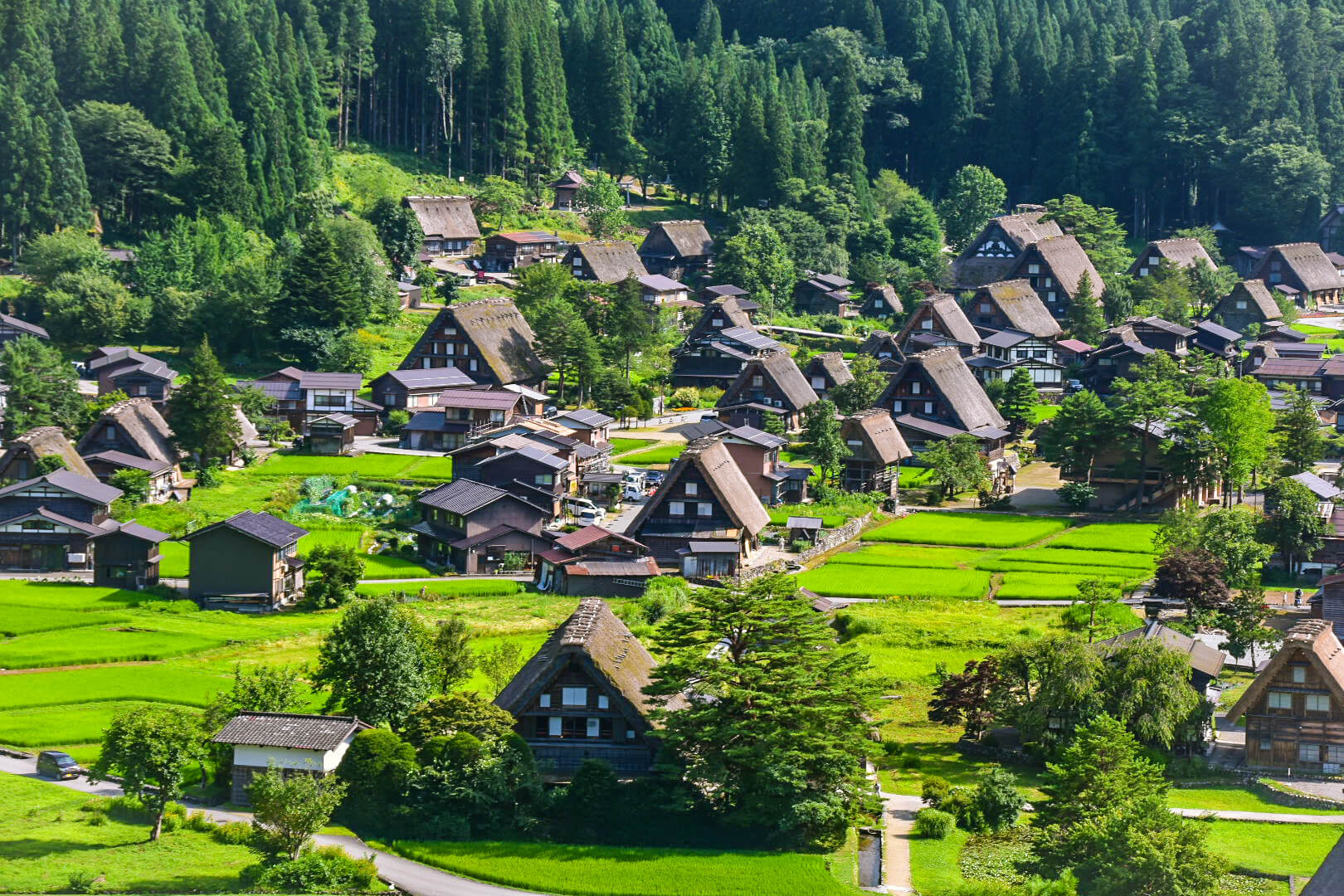
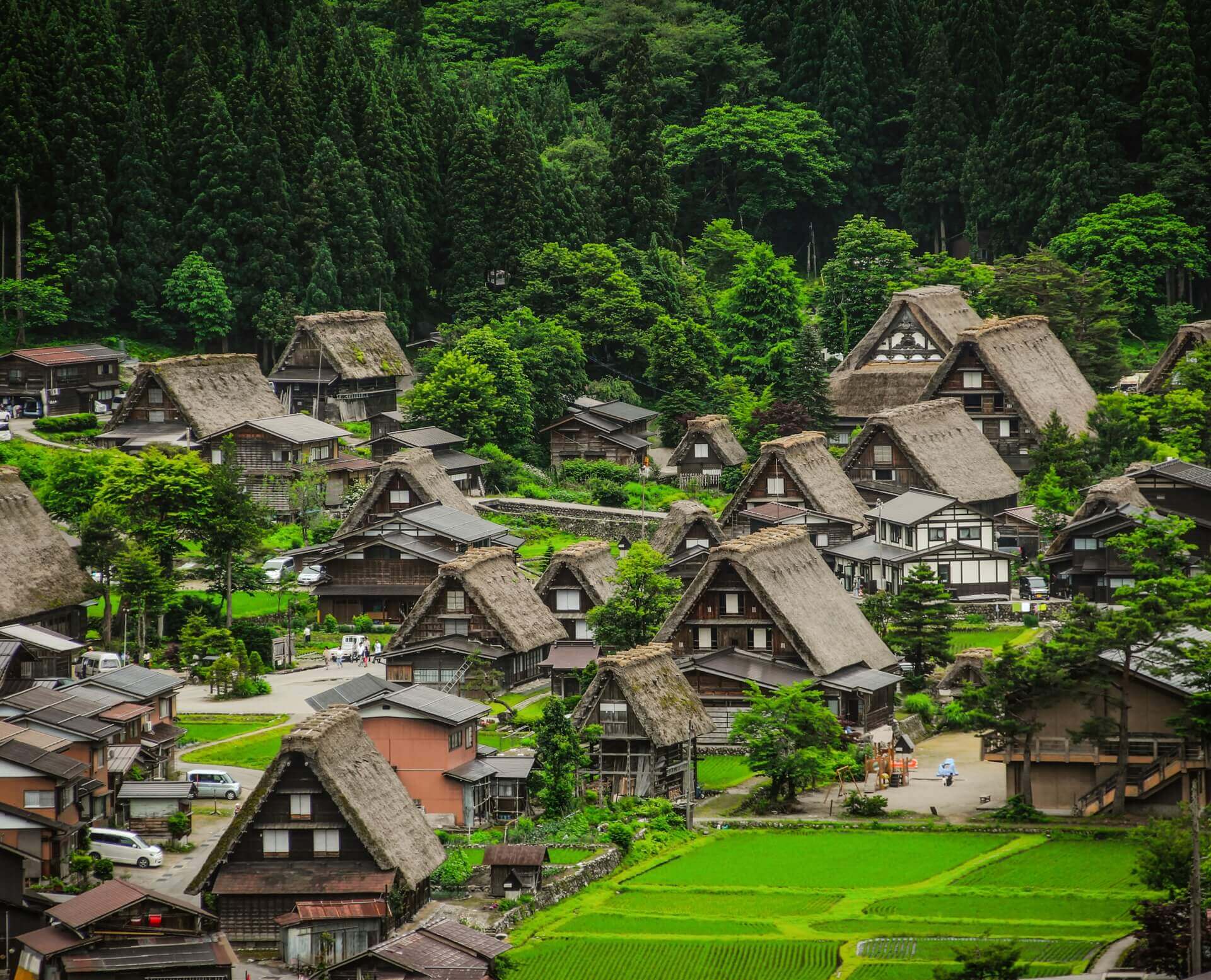
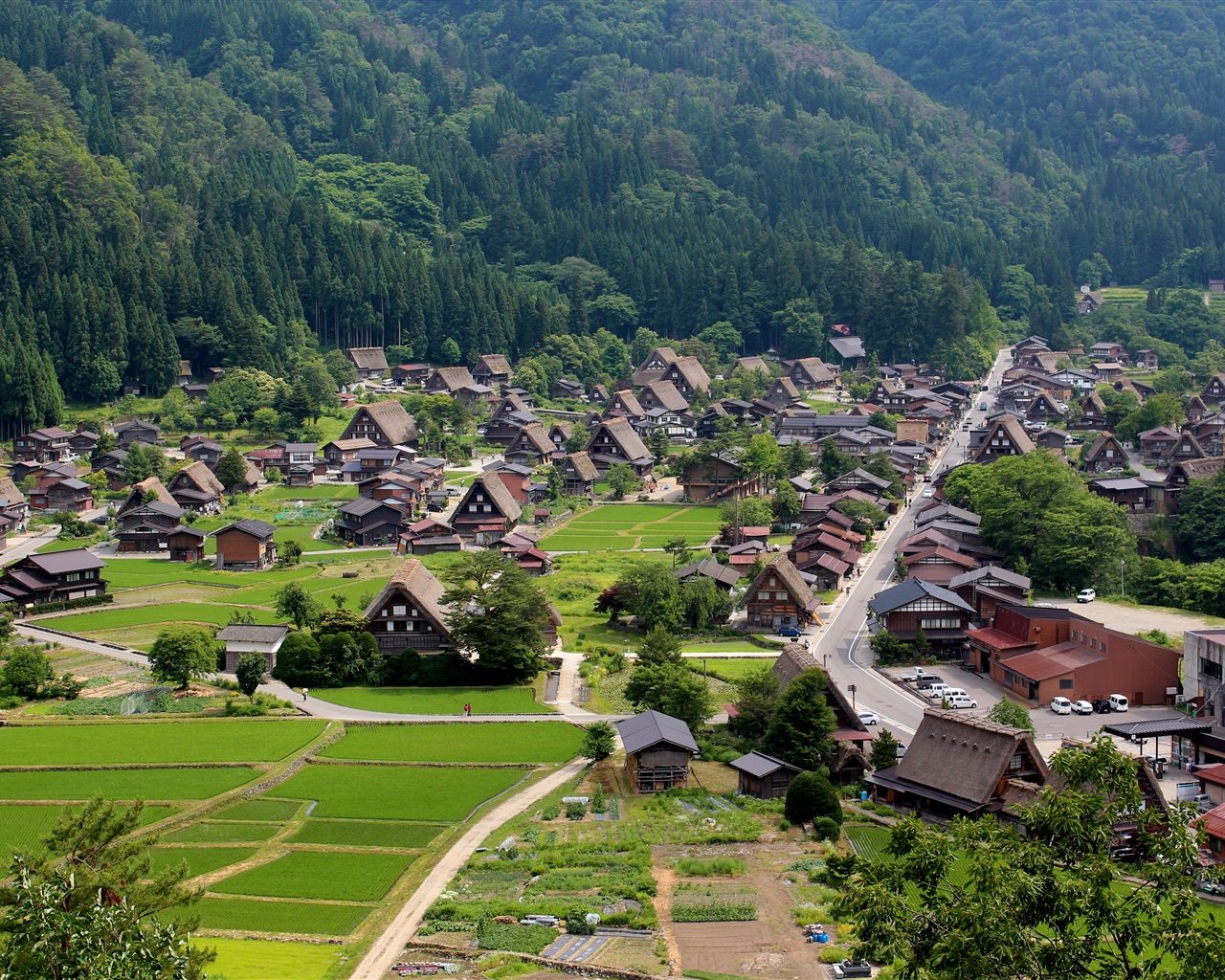
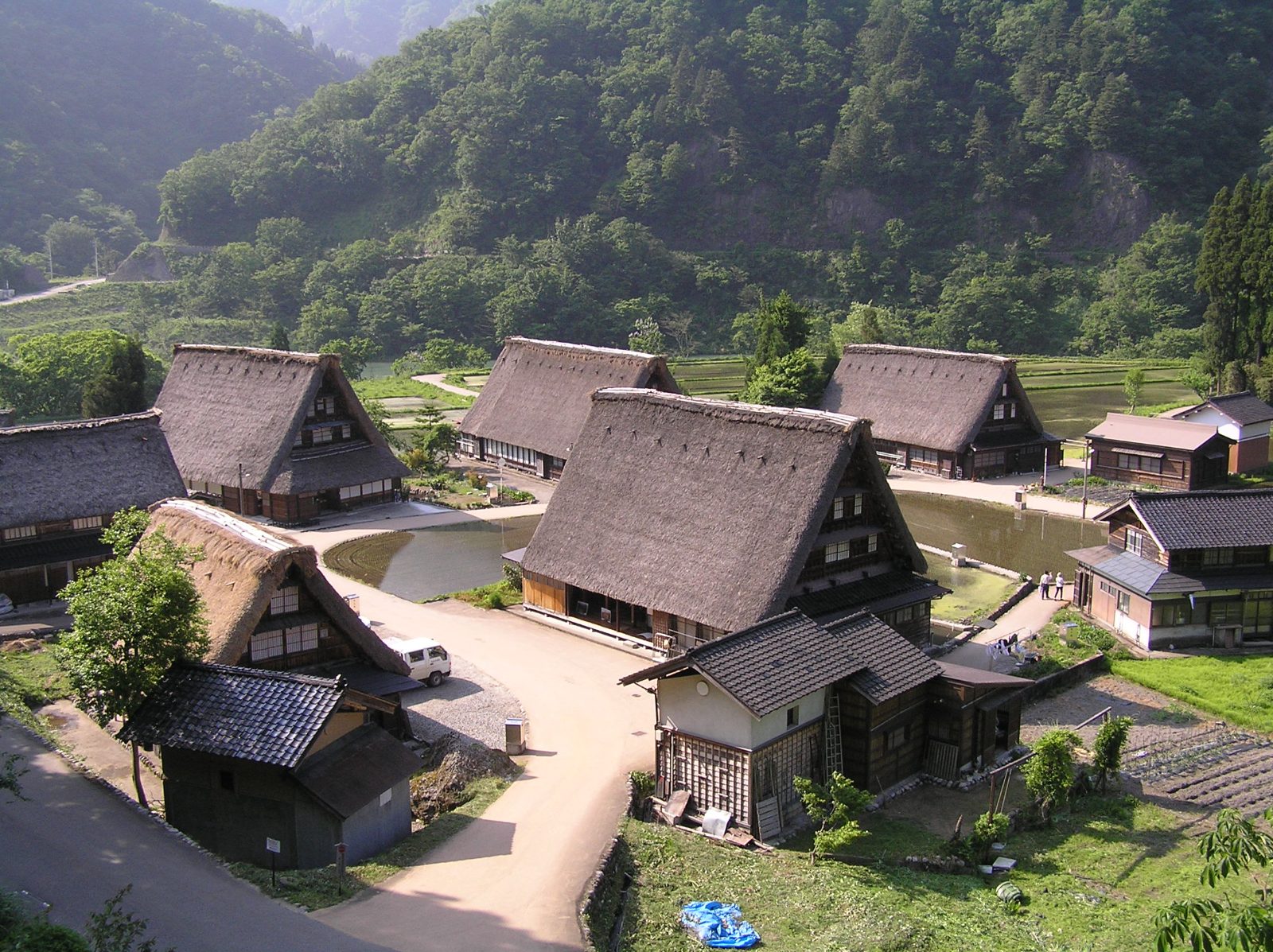
Thatch against green mountains, rice fields breathing in August light
Hand-picked by our editors — only the best 12 experiences from 214 reviewed.
Verified partners for Kanazawa to Shirakawa Go tours, free cancellation where available, and instant confirmation on every booking.
5 hr
Half-day guided excursion to the historic gassho-zukuri village with local food tasting and scenic views
Reserve
9 hr
Discover a UNESCO heritage village with gassho-style houses, craft Japanese sweets, and explore iconic gardens
Reserve
24 hr
Discover UNESCO villages, craft traditional washi paper, and explore a temple adorned with intricate carvings
ReservePrices from verified partners. Availability updates in real time at checkout. Free cancellation policies apply where shown.
The landmarks, rooms, and views travelers on Kanazawa to Shirakawa Go tours remember — all visible on a single visit.
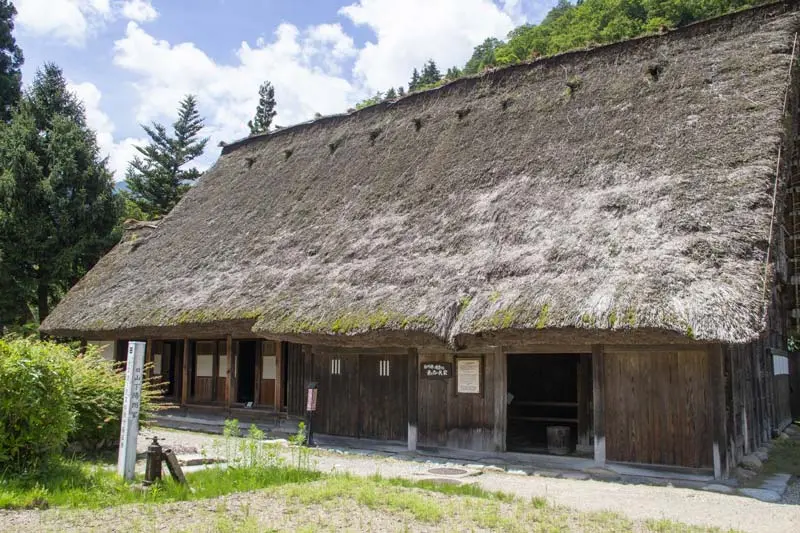
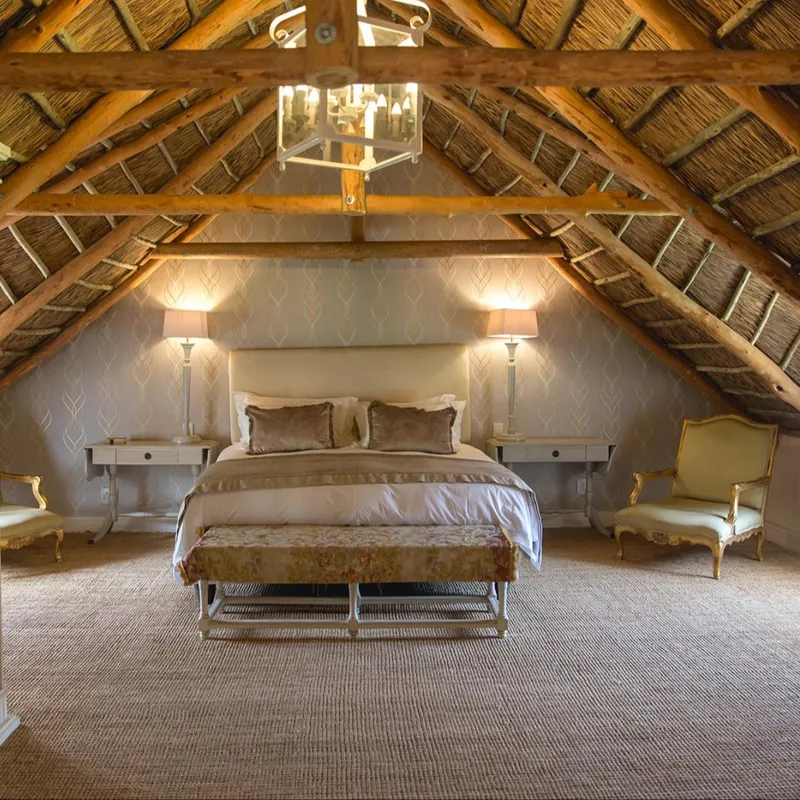
Observe the complex thatched roof construction and traditional silkworm farming methods used historically.
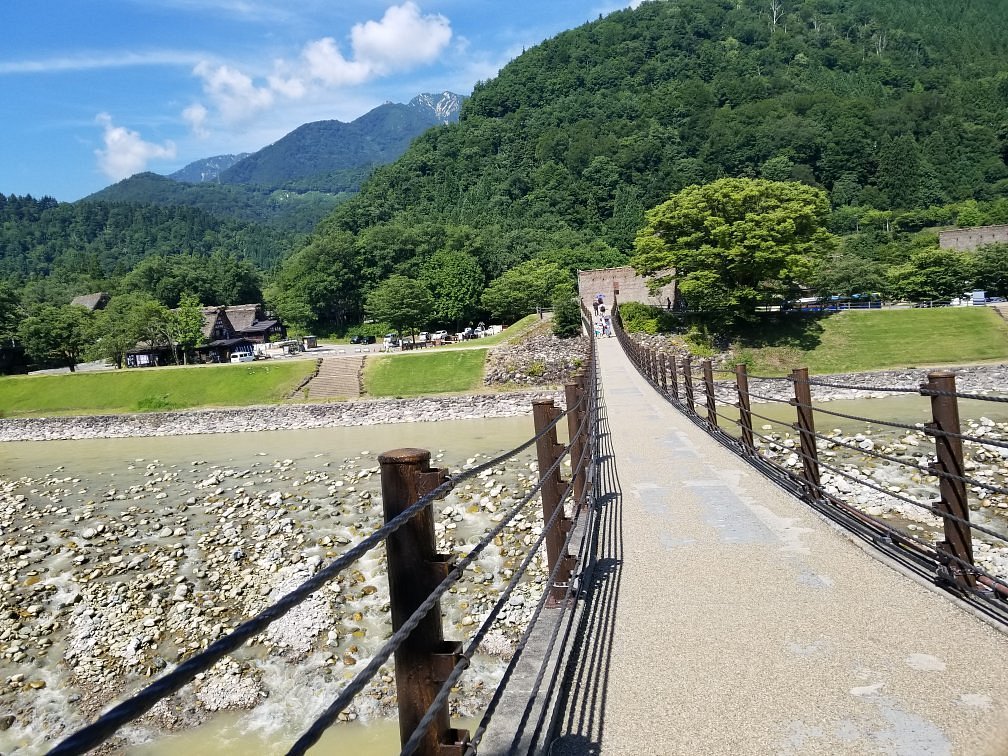
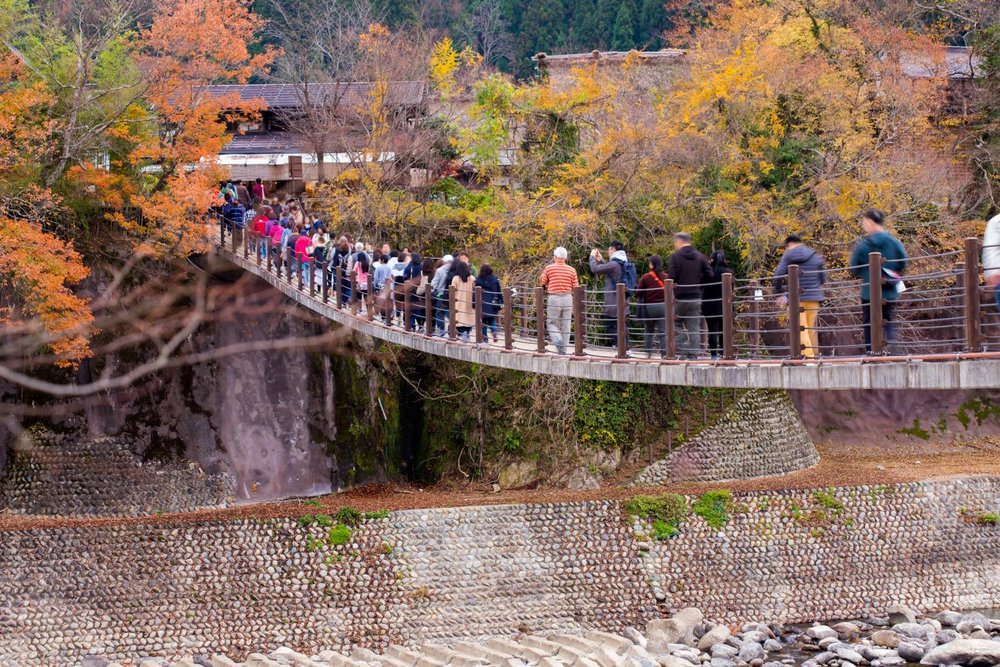
The 107-meter suspension bridge connecting the museum and parking area to the main village area.
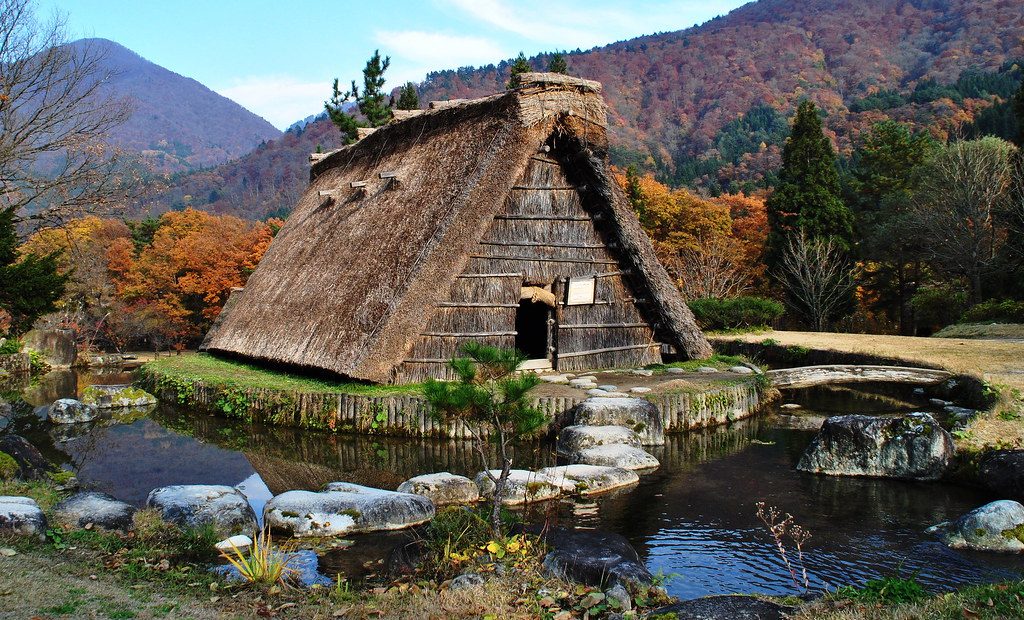
A functional watermill demonstrating the village's historical reliance on hydroelectric and manual power.
View nine distinct buildings designated as important cultural properties relocated for preservation.
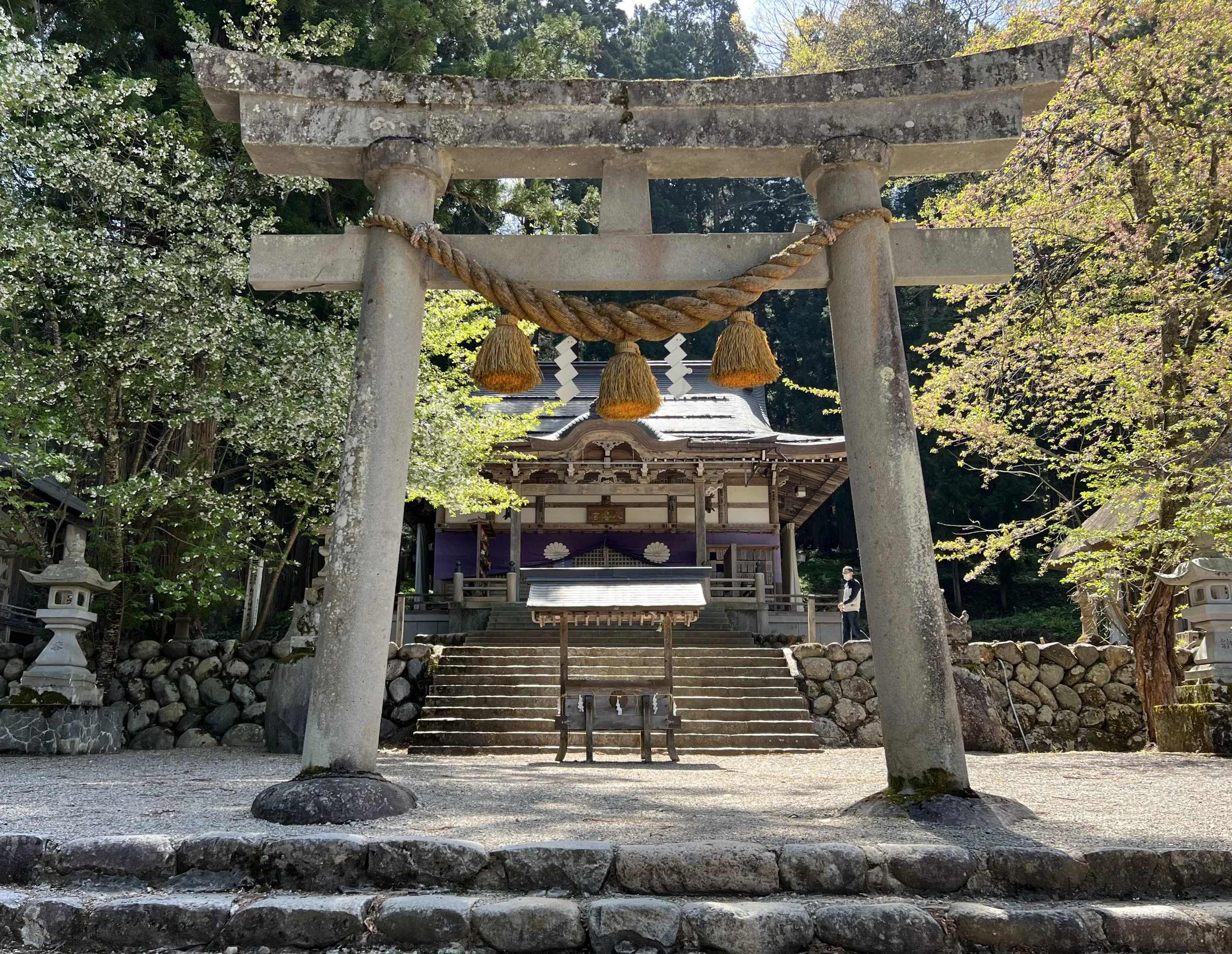
A historic shrine structure reflecting the religious and communal life of the original village inhabitants.
Every Kanazawa to Shirakawa Go tour side-by-side — duration, what's included, how you redeem.
| Experience | From | Duration | Rating | Transfers | Guide | Free cancel. | Price | |
|---|---|---|---|---|---|---|---|---|
|
Standard Entry Most popular
Shirakawa-go UNESCO Village Morning Tour from Kanazawa
|
Kanazawa | 5 hr | ★ 4.9 | ✓ | ✓ | ✓ | €65 | Book → |
|
Guided Experience
Shirakawa-go UNESCO Village & Kanazawa Cultural Highlights Day Trip
|
— | 9 hr | ★ 5.0 | ✓ | ✓ | ✓ | €98 | Book → |
|
Guided Experience
Shirakawa-go, Gokayama & Wood Carving Heritage Tour from Kanazawa
|
Kanazawa | 24 hr | ★ 4.9 | — | ✓ | ✓ | €152 | Book → |
All prices from verified partners. Availability and exact terms confirmed at checkout.
Shirakawa-go offers a highly developed UNESCO heritage experience, whereas Gokayama provides a more secluded and quiet atmosphere for those seeking authenticity; choosing between them depends on whether you prefer accessibility or tranquility when booking kanazawa to shirakawa go tour tours.
| Feature | Top pick Shirakawa-go | Gokayama |
|---|---|---|
Village Size |
Large complex with many houses | Small compact clusters |
Accessibility from Kanazawa |
75 minutes by bus | 90 to 110 minutes by bus |
Tourist Crowds |
High volume throughout the day | Light and manageable flow |
Commercialization Level |
High with numerous shops | Low with traditional focus |
Overall Atmosphere |
Public-facing and vibrant | Quiet and contemplative |
Entrance Fee |
600 JPY (conservation fee) for museum | Variable by site and house |
| See tickets → |
Verdict: Opt for a kanazawa to shirakawa go tour tour to Shirakawa-go for comprehensive facilities, or choose Gokayama if you prefer a quieter, less commercialized exploration requiring kanazawa to shirakawa go tour tickets for individual house entry.
Choose your ticket, select your date, and reserve in under two minutes. Secure checkout handled by our verified partner.
Instant confirmation by email, with a mobile voucher you can save offline. No printing, no queuing at a collection desk.
Arrive at the entrance, show your voucher on your phone, and walk in. Most tickets include priority or skip-the-line access.
Practical details for Kanazawa to Shirakawa Go tickets straight from our verified partners — hours, access, rules, and how to get there.
Wear comfortable walking shoes suitable for gravel paths and sloped terrain. Layered clothing is recommended as mountain weather changes rapidly.
Large luggage should be left at the Shirakawa-go Bus Terminal lockers. There is no cloakroom service inside the museum.
Photography is permitted outdoors and in most public areas. Respect the privacy of local residents and avoid filming inside restricted private rooms.
Main paths within the Gasshozukuri Minkaen Outdoor Museum are accessible, but steep entrances to some historical houses may pose challenges for wheelchairs.
Mobile phones are permitted. Keep ringer off inside exhibition spaces.
The site is educational for children, though parents should supervise young ones near the traditional hearths and steep attic stairs.
Eating and drinking inside historical structures is prohibited. A rest area serves tea and small refreshments.
Pets are not allowed, with the exception of service animals with appropriate documentation.
Last entry is typically 1 hour before closing. Check the specific ticket for timing.
Best time to go, insider tips, nearby landmarks, and the cancellation fine print — flip through to skim what matters to you.
Flexible, no hidden fees.
Entry tickets are purchased on-site. The 600 JPY conservation fee is non-refundable once paid.
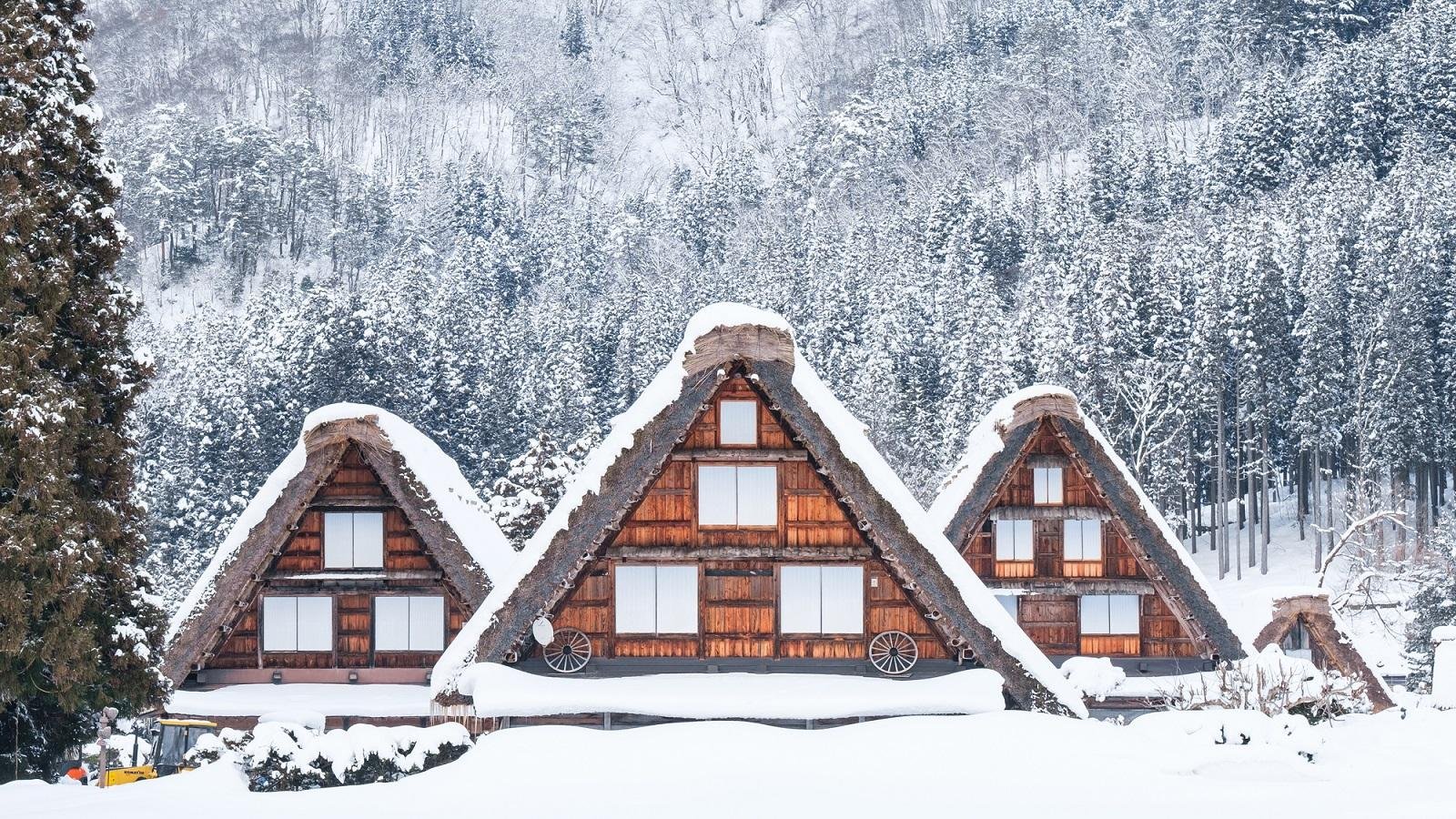
The steepest gassho-zukuri roofs in Ogimachi are pitched at roughly 60 degrees — an angle calculated not for beauty but for snow, which falls here by the metre and would otherwise crush the frame beneath it. The name gassho-zukuri means "constructed like hands in prayer." The comparison is literal.
Two rafters lean into each other at the ridge, bound with straw rope and hazel withes, without a single nail. The joints flex. Snow slides. The house survives.
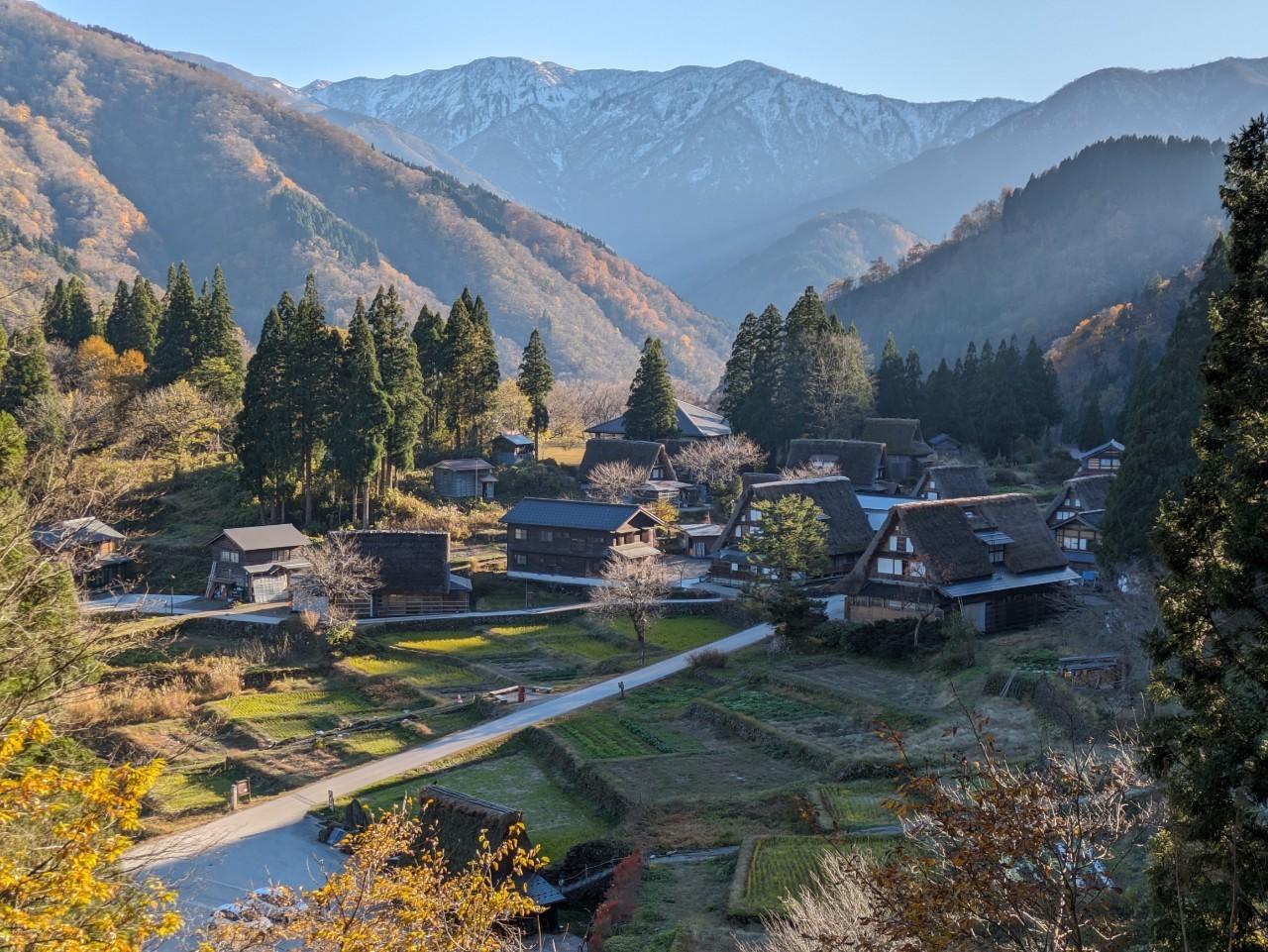
Ogimachi is the largest surviving settlement of these houses, and it anchors most itineraries for a kanazawa to shirakawa go tour. Smaller hamlets sit further south in Toyama Prefecture — Ainokura and Suganuma, in the Gokayama valley — sharing the 1995 UNESCO World Heritage inscription that covers all three. The listing recognised not the buildings alone but the system that produced them: a mountain economy in which the vast attic floors, lit and ventilated by gable windows, were given over to silkworm cultivation, and the earth beneath the floorboards was worked for potassium nitrate, an ingredient of gunpowder. Isolation was the point. Snow closed these valleys for months.
That isolation ended by degrees. The Tokai-Hokuriku Expressway completed its final tunnel section in 2008, and the question of how to get to shirakawago from kanazawa collapsed from a day's expedition into roughly 75 minutes of coach travel. Questions like how far is shirakawago from tokyo, or whether the Nohi Bus Kanazawa to Shirakawago timetable aligns with a same-day return, now shape the village's rhythm as much as the seasons once did. Visitors asking is kanazawa worth visiting increasingly treat the two as a single itinerary — castle town and mountain village, lacquer and thatch.
Roughly 1.7 million people arrive annually. Around 600 residents remain. The village is not a museum; families still live in these houses, and each roof is rethatched roughly every three to four decades by yui, a cooperative labour system in which neighbours supply the hands. A single re-roofing consumes tonnes of susuki grass, harvested locally and stacked to dry.
The Gasshozukuri Minkaen Outdoor Museum, at 2499 Ogimachi, preserves twenty-five relocated structures that would otherwise have been lost to the Miboro Dam. A 600 JPY conservation fee applies per person. Kanazawa to shirakawa go tour tickets typically fold that entry into a wider day, but the sum is small and the arithmetic plain: the roofs endure because someone keeps paying for the grass.

"The village is not a museum; families still live in these houses, and each roof is rethatched by the hands of neighbours."
A step-by-step walkthrough of Kanazawa to Shirakawa Go tickets — what you'll see, how long each stage takes, and the details that matter.
You leave Kanazawa in the morning and watch the Sea of Japan side give way to tunnels — a dozen of them, some several kilometres long — before the coach drops into the Sho River valley. Doors open at Ogimachi. The air is cooler than the city by a few degrees, and in August it carries cut grass and river water.
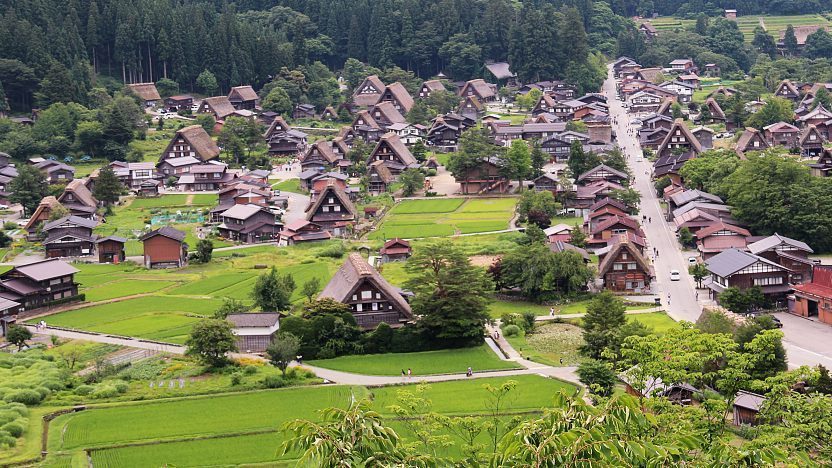
Arrive between 08:40 and 10:30 and you get the village nearly to yourself, before the late-morning coaches stack up in the lot. Cross the Deai suspension bridge on foot; it sways under you, and the river below runs green over pale stones. Walk fifteen minutes uphill, or take the shuttle, to the Shiroyama viewpoint — the frame everyone knows, forty-odd thatched roofs laid out in a bowl of forested ridges.
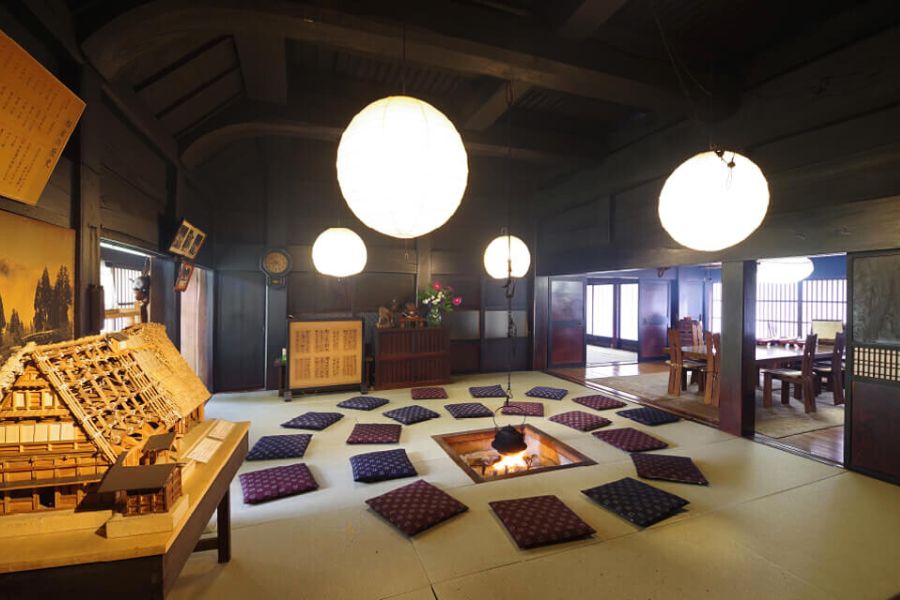
Come down through the lanes. Pay the 600 JPY conservation fee at the Gasshozukuri Minkaen Outdoor Museum and climb the ladder-stairs of a farmhouse into the silk-rearing attic, where smoke from the hearth below has blackened the beams to a hard sheen. Rope binds every joint. You can see it.
Check your return before you wander further — travellers on a kanazawa to shirakawa go tour usually hold a fixed seat, and any kanazawa to shirakawa go bus schedule fills fast in summer. The last stretch of the day is best spent on the paddy paths, where the roofs sit level with the rice.
The Gasshozukuri Minkaen Outdoor Museum is open daily from 08:40–17:00. These hours apply regardless of the day of the week.
Entrance tickets for the museum are typically purchased upon arrival at the gate rather than through pre-booked kanazawa to shirakawa go tour tickets.
Yes, the conservation fee is 600 JPY per person for entry into the Gasshozukuri Minkaen Outdoor Museum.
The recommended arrival window for your kanazawa to shirakawa go tour is 08:40–10:30 to avoid heavy crowds.
Yes, coin lockers are available at the Shirakawa-go Bus Terminal, convenient for those taking a kanazawa to shirakawa go tour.
Most visitors spend about 1 hour exploring the Gasshozukuri Minkaen Outdoor Museum during their kanazawa to shirakawa go tour.
Yes, families are welcome on a kanazawa to shirakawa go tour, though parents should supervise children near traditional hearths.
Photography is allowed outdoors, but please respect the cultural significance of the structures during your kanazawa to shirakawa go tour.
Please avoid eating inside the historical houses; use designated rest areas or village eateries during your kanazawa to shirakawa go tour.
Direct buses travel from Kanazawa Station to Shirakawa-go for your kanazawa to shirakawa go tour.